New Hope for Blood Cancer Patients as LHSC Expands Stem Cell Transplant Options
Patients battling blood cancers in London, Ontario, have gained a significant new treatment pathway with the introduction of stem cell transplants between unrelated donors and recipients at the London Health Sciences Centre (LHSC). This medical advancement represents a crucial expansion of options for individuals who previously faced limited prospects due to donor compatibility challenges.
Overcoming Compatibility Barriers
The traditional approach to stem cell transplantation has long required a close genetic match between donor and recipient, typically from family members. This requirement created substantial barriers for many patients who lacked suitable relatives. The new protocol at LHSC now enables transplants using stem cells from unrelated donors, dramatically increasing the pool of potential matches and offering life-saving opportunities to patients who might otherwise have exhausted conventional treatment avenues.
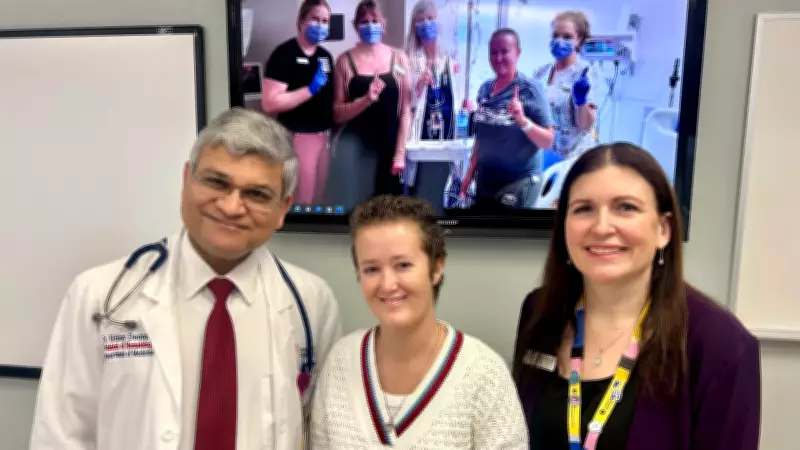
"I never once doubted that I was going to get past this," expressed one patient benefiting from the new treatment option, capturing the renewed optimism among those facing blood cancer diagnoses. This sentiment reflects the psychological and medical transformation that expanded access to stem cell transplantation can provide for individuals confronting these serious hematological conditions.

Clinical Implementation and Patient Impact
The implementation of unrelated donor stem cell transplants at LHSC involves sophisticated matching protocols that analyze human leukocyte antigen (HLA) compatibility between donors and recipients. While the process requires meticulous coordination and advanced medical infrastructure, the potential benefits for patients are substantial. Blood cancers such as leukemia, lymphoma, and multiple myeloma often respond well to stem cell transplantation when other treatments prove insufficient.
Medical professionals at LHSC have emphasized that this expansion of transplant options represents more than just a technical achievement. "For patients who have been through multiple rounds of chemotherapy and other treatments without achieving remission, this can be the difference between continued struggle and genuine recovery," explained one hematology specialist involved in the program.
Broader Implications for Cancer Care
The availability of unrelated donor stem cell transplants at LHSC places the institution among a growing number of medical centers expanding access to this potentially curative treatment. As registry databases of potential donors continue to grow internationally, the likelihood of finding compatible matches for patients increases correspondingly. This development represents a significant step forward in personalized medicine and cancer treatment accessibility within the Canadian healthcare system.
Patients and their families have welcomed the news with cautious optimism, recognizing that while stem cell transplantation remains a demanding procedure with inherent risks, the expansion of donor options provides tangible hope where previously there was uncertainty. The psychological impact of knowing that more treatment pathways exist cannot be overstated for individuals facing life-threatening blood disorders.
As LHSC continues to develop and refine its stem cell transplantation program, medical professionals anticipate that outcomes will continue to improve through enhanced matching algorithms, better supportive care during the transplantation process, and ongoing research into optimizing post-transplant recovery. This advancement represents not just a single institutional achievement but a meaningful contribution to the evolving landscape of hematological cancer treatment across Canada and beyond.