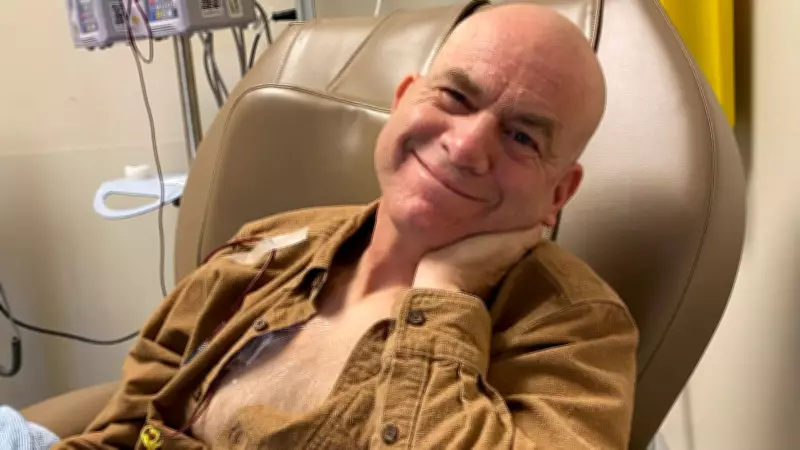
Physician's Intuition Uncovers Advanced Cancer Diagnosis
In a compelling medical case, Dr. Terrence May, a practicing doctor, experienced a subtle yet persistent feeling that something was amiss with his health. Trusting his professional instincts, he promptly visited his own general practitioner for a thorough evaluation. The subsequent diagnosis revealed a severe condition: Stage 4 intrahepatic bile duct cancer, a rare and aggressive form known as cholangiocarcinoma. This incident underscores the vital role of self-awareness and proactive healthcare, even among medical experts.
Understanding Intrahepatic Bile Duct Cancer
Intrahepatic bile duct cancer, or cholangiocarcinoma, originates in the bile ducts within the liver and is often detected at advanced stages due to its nonspecific symptoms. Dr. May's case highlights the challenges in early diagnosis, as initial signs can be easily overlooked. According to medical literature, this type of cancer accounts for a small percentage of liver cancers but carries a significant prognosis when identified late. The disease's progression to Stage 4 indicates it has spread beyond the original site, complicating treatment options and emphasizing the need for heightened vigilance.
The Importance of Medical Vigilance and Early Detection
Dr. May's experience serves as a powerful reminder for both healthcare professionals and the general public about the critical importance of listening to one's body and seeking medical advice without delay. Early detection can dramatically improve outcomes for many cancers, including cholangiocarcinoma, by enabling more effective interventions. Experts recommend regular check-ups and prompt attention to any unusual symptoms, such as unexplained fatigue, abdominal pain, or jaundice, which are common in bile duct disorders. This case also sparks discussions on the psychological impact of self-diagnosis among doctors, who may face unique stressors when confronting personal health crises.

Broader Implications for Cancer Awareness and Research
Beyond the personal narrative, Dr. May's diagnosis sheds light on the ongoing need for enhanced cancer research and public education. Cholangiocarcinoma remains understudied compared to more common cancers, leading to gaps in treatment protocols and survival rates. Initiatives aimed at increasing funding for rare cancer studies and improving diagnostic tools are crucial. Additionally, this story encourages open conversations about health, reducing stigma around illness, and fostering a supportive community for patients navigating similar journeys. As medical science advances, stories like Dr. May's inspire hope and underscore the relentless pursuit of better healthcare solutions.