Canadian Coach Expresses Doubts About Star-Studded Olympic Line Combination
MILAN — The concept of assembling Team Canada's three most formidable offensive talents on a single line is undeniably captivating. Connor McDavid, Nathan MacKinnon, and the emerging sensation Macklin Celebrini together represent a dream scenario for hockey enthusiasts. Remarkably, this lineup excludes the legendary Sidney Crosby, highlighting the extraordinary depth of Canadian talent at the 2026 Winter Olympics.
Experimental Line Delivers Immediate Results
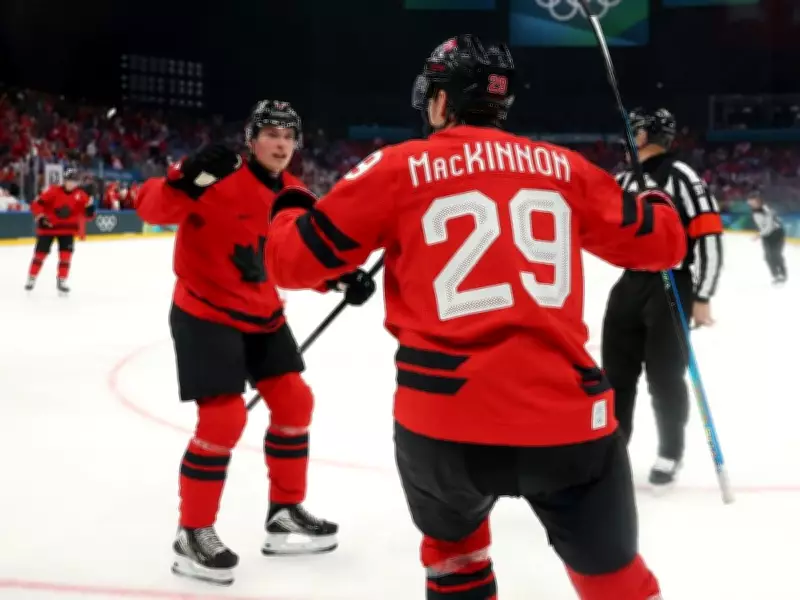
Canadian head coach Jon Cooper tested this superstar combination for the first time during Friday night's matchup against Switzerland. The strategic move injected significant energy into Canada's gameplay, culminating in a decisive 5-1 victory over their determined and underrated opponents. All three players managed to score against the Swiss team, demonstrating precisely the offensive firepower such a line promises to deliver.
Despite this success, Cooper remains uncertain about maintaining this configuration throughout the Olympic tournament. Following the game, the coach explained that his decision to unite the trio during the second period stemmed from a specific tactical opportunity rather than a long-term plan. Celebrini had previously been skating alongside McDavid, while MacKinnon centered his own line. However, Cooper noted that McDavid and MacKinnon had occasionally played together during last year's 4 Nations Face-off, making the combination somewhat familiar.

Strategic Considerations and Player Adjustments
Cooper revealed that he implemented the change when he sensed his team's intensity waning against Switzerland. "They went together and they showed what they needed to show," Cooper acknowledged. "Here's the thing: They're three phenomenal players — generational, these kids. But in saying that, you don't know how that chemistry is going to go all the time."
The coach emphasized that both MacKinnon and Celebrini are playing out of their natural positions, with MacKinnon moving from center to wing and Celebrini also adjusting from his usual role. Typically, teams position their most dynamic players at center to maximize ice coverage. Furthermore, as three of the NHL's top four point producers at the Olympic break, each player thrives with puck possession, creating potential challenges with only one puck available.
"So, now sacrifices have to be made, but ultimately they did it," Cooper continued. "And in saying that, you know, as wonderful as they are with the puck, how I'm grading them is on how they played without it. So, if you keep doing the right things without the puck, good things are going to happen. And it did tonight for them."
Players Embrace the Super-Line Experience
While Cooper maintains reservations, the players themselves expressed nothing but enthusiasm about their collaboration. MacKinnon described his new linemates as "two special players" and remarked that playing with them felt effortless. The NHL MVP candidate humorously noted that his role simplified to keeping his stick on the ice, and he clearly believes Celebrini already belongs in McDavid's elite category, calling them "the best two tickets in the game."
McDavid echoed this positive sentiment, stating, "Sometimes it's good just to get thrown into action like that. And when you score your first shift together, it usually helps. Everything after that is just gravy. It was just fun."
The debate now centers on whether Cooper will continue leveraging this explosive combination or revert to more traditional line distributions as Team Canada progresses through the Olympic competition. The temporary experiment has undoubtedly given hockey fans a thrilling glimpse of what might be possible when three generational talents share the ice.