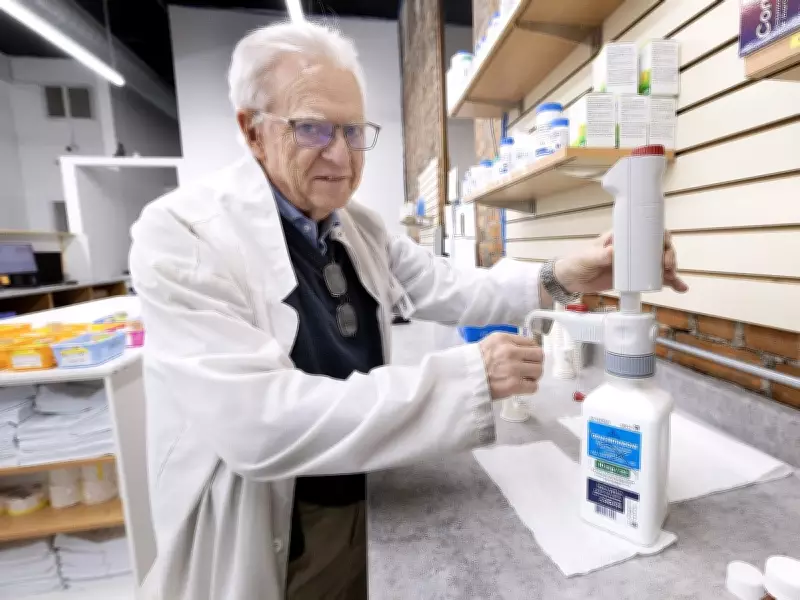
A controversial downtown pharmacy where you cannot buy a bottle of Advil keeps some of Windsor's most troubled residents alive, say proponents of the specialized service. Located at 28 Chatham St. E., near Windsor's main drag, Haven Pharmacy dispenses addiction treatment medication and little else. It is among a handful of pharmacies in Windsor's core that have drawn criticism from municipal politicians for attracting and allegedly perpetuating untoward behaviour in a neighbourhood city hall has tried to rejuvenate.
But these businesses are saving lives, according to Haven designated manager Doug Cozad. 'Without us, a lot more people would be dying,' he said in an interview. 'The majority of our patients are good people.'
City Council Calls for Review
Last month, Windsor city council requested a provincial review of for-profit addiction treatment and dispensing models. Ward 3 Coun. Renaldo Agostino, who represents the downtown neighbourhood, said the pharmacies are associated with behaviour considered 'problematic' by the surrounding business community. 'There's not one person that can look me in the eye and tell me that this is not having an adverse effect on the downtown core,' Agostino told reporters after a council meeting on April 27. He called the distribution of social services, including addiction treatment pharmacies, across downtown the 'variety store method' of care. Behaviour from some people being treated, he said, can be 'unruly' and is 'affecting the business community' and downtown residents.

Inside Haven Pharmacy
At Haven Pharmacy, Cozad has made attempts to be a good neighbour. Inside the business, simple paper flyers on bare walls warn visitors that services will be terminated if they use drugs inside or immediately outside the pharmacy. Other flyers advise against loitering and falling asleep on the premises, while some advertise free wifi and pizza lunches on Wednesdays and Fridays. Roughly 20 patients, most of them unhoused, visit Haven for opioid agonist treatment — medications that activate opioid receptors in the brain, prevent withdrawal, and reduce cravings. The few patients who showed up during a visit entered quietly, drank their dose of methadone from a paper cup, and left with a single day's supply of medication. 'If people didn't have us, they'd likely be doing drugs on the street,' Cozad said.
Criticism from Addiction Physicians
Others in addiction treatment, including Dr. Tariq Elsayegh, have issues with Haven's model of care. The Windsor addiction physician operates Hope Recovery, which has two locations downtown and one in the east end, and treats patients at Windsor Regional Hospital, in local shelters, and in correctional facilities. Elsayegh said he has heard from patients who visited certain addiction pharmacies and were prescribed 30 or 35 tablets of an opioid agonist — drugs that should be taken daily in front of a pharmacist — and sent on their way. The patients then sold their medication on the street and used the money to buy fentanyl, a much more powerful synthetic opioid.