In the rugged coastal landscapes of British Columbia, a unique and somber duty unfolds. Veterinary pathologist Stephen Raverty approaches the grim task of performing post-mortem examinations on deceased whales with a profound sense of humility, viewing the animals as "revered" giants of the deep.
The Solemn Task of a Marine Mammal Coroner
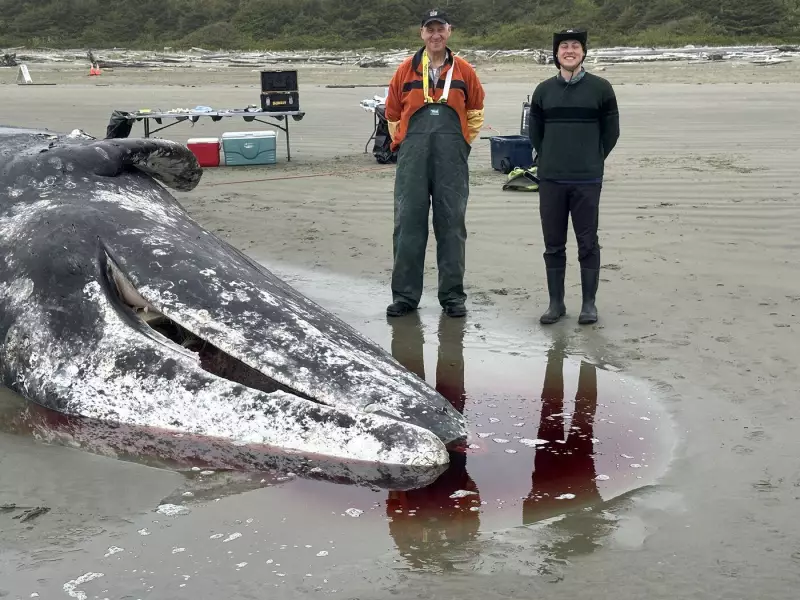
For Dr. Stephen Raverty, the work is both a scientific necessity and a solemn responsibility. The process, known as a necropsy, involves meticulously examining the carcasses of whales that wash ashore along the Pacific coast. In early October 2025, Raverty was photographed alongside Fisheries Department Canada's regional stranding coordinator, Brendan Cottrell, preparing for the examination of a grey whale. This hands-on fieldwork is critical for unlocking the mysteries behind whale deaths, which can range from ship strikes and entanglement in fishing gear to disease and malnutrition.
Uncovering Clues for Conservation
Each necropsy is a complex forensic investigation. The data collected—from tissue samples to stomach contents and evidence of trauma—provides invaluable insights into the health of individual whales and the broader marine ecosystem. This information directly informs conservation policies and protective measures. By determining causes of death, scientists like Raverty can identify emerging threats to whale populations, contributing to efforts aimed at preserving these majestic creatures for future generations.

A Duty Performed with Deep Respect
Despite the often gruesome and physically demanding nature of the work, it is approached with deep reverence. Raverty emphasizes that these animals are held in high esteem, not just as scientific subjects but as cultural icons and vital components of the ocean's health. The work requires a blend of sharp scientific acumen and emotional fortitude, a balance struck out of respect for the animals and the crucial knowledge their deaths can impart. It is a humble service to the natural world, ensuring that even in death, whales can tell a story that helps protect their living kin.
The collaboration between pathologists like Stephen Raverty and government coordinators like Brendan Cottrell is essential for marine stewardship in Canada. Their combined efforts turn tragedy into actionable science, highlighting ongoing challenges in ocean conservation and the unwavering commitment of those who serve as caretakers for Canada's marine life.