B.C. Climate News: Solar Project and Orca Birth Highlight Environmental Efforts
In the latest climate developments for British Columbia and globally, significant strides are being made in renewable energy and wildlife conservation, underscoring the ongoing battle against climate change and biodiversity loss. This report covers the week of February 16 to February 22, 2026, featuring key updates from local initiatives to international scientific findings.
Solar Project Advances in B.C. Hydro's Power Initiative
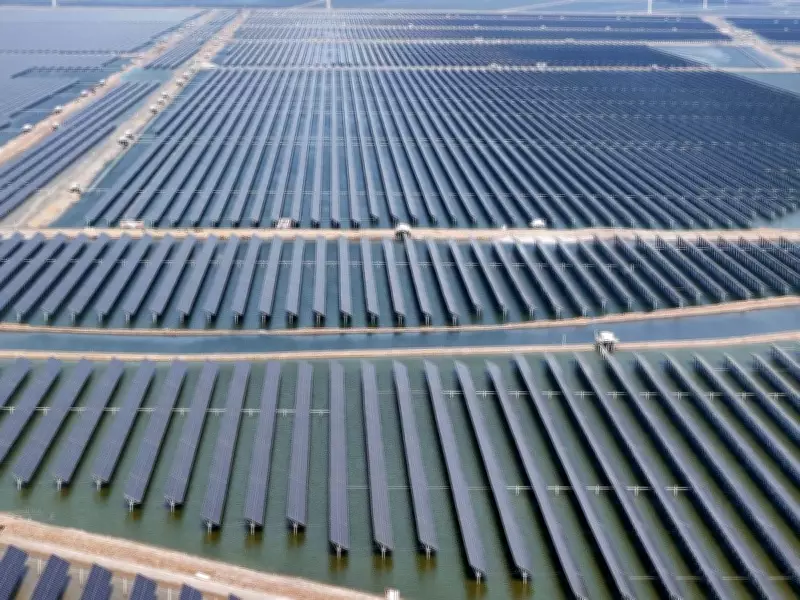
The sole solar-power facility included in B.C. Hydro's 2024 call for power has initiated its environmental review process, marking a critical step toward regulatory approval. This project represents a pivotal move in B.C.'s transition to cleaner energy sources, aiming to reduce reliance on fossil fuels and cut greenhouse gas emissions. As climate concerns mount, such renewable energy investments are vital for meeting provincial and global sustainability targets.
Funding for Social Housing Emissions Reductions
In a related effort, B.C. social housing providers can now apply for funding to decrease greenhouse gas emissions. This initiative supports retrofitting and upgrading buildings to enhance energy efficiency, contributing to broader climate action goals. By addressing emissions from the housing sector, the province aims to mitigate the impacts of climate change while improving living conditions for residents.

New Calf for Endangered Southern Resident Killer Whales
In a hopeful sign for biodiversity, a new calf has been spotted in the Juan de Fuca Strait, joining B.C.'s endangered southern resident killer whale population. This birth is a rare positive development for a species threatened by habitat loss, pollution, and climate-related changes in ocean ecosystems. Conservationists emphasize the need for continued protection efforts to ensure the survival of these iconic marine mammals.
Global Climate Context and Scientific Warnings
Human activities, such as burning fossil fuels and intensive agriculture, remain the primary drivers of climate change, according to the UN's Intergovernmental Panel on Climate Change (IPCC). This panel, comprising scientists worldwide including researchers from B.C., has long warned that events like wildfires, heat domes, and catastrophic flooding will intensify due to the climate emergency. They have issued a code red for humanity, stressing that the window to limit global warming to 1.5°C above pre-industrial levels is rapidly closing.
NASA climate scientists confirm that human actions have increased atmospheric carbon dioxide by 50% in under 200 years, with unequivocal evidence of unprecedented planetary warming. As of February 5, 2026, carbon dioxide levels measured 428.62 parts per million (ppm) at the Mauna Loa Observatory in Hawaii, up from 427.49 ppm the previous month and 426.46 ppm in December. This steady rise from under 320 ppm in 1960 highlights the accelerating pace of climate change.
Quick Facts on Global Warming Trends
- The global average temperature in 2023 was 1.48°C above pre-industrial levels, with 2024 breaching the 1.5°C threshold at 1.55°C.
- 2025 ranked as the third warmest year on record, following 2024 and 2023, marking 11 consecutive years of record warmth.
- Atmospheric CO2 concentrations have risen nearly 49% since 1850, driven by human activities.
- The world is not on track to meet the Paris Agreement goal of limiting warming to 1.5°C, risking severe consequences like sea-level rise, droughts, heat waves, and wildfires.
- The UNEP's 2025 Emissions Gap Report indicates that even with current emissions targets, global temperatures could increase by 2.3°C to 2.5°C this century.
- In June 2025, global CO2 levels exceeded 430 ppm, setting a new record high.
- There is a global scientific consensus that climate change is occurring and is predominantly caused by human actions.
These updates underscore the urgent need for continued climate action, from local projects like B.C.'s solar initiative to global efforts to curb emissions and protect vulnerable species. As the planet warms, such measures are crucial for mitigating the worst impacts of environmental change.