Fog Advisory Issued for Southwestern Ontario Amid Dense Conditions
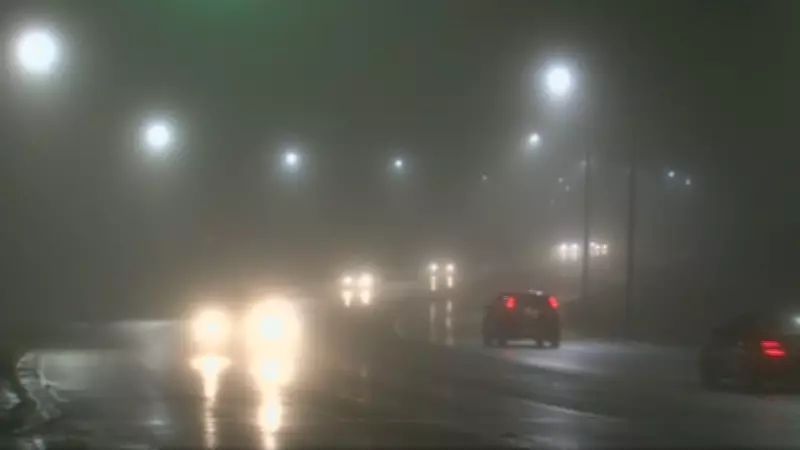
Environment Canada has issued a fog advisory for southwestern Ontario, warning residents of dense fog conditions that have settled across the region. The advisory highlights significantly reduced visibility, creating potentially hazardous situations for drivers and pedestrians alike.
Widespread Fog Impacts Travel and Safety
The meteorological agency reports that the fog is particularly dense in areas including Kitchener, Waterloo, and surrounding communities. Visibility has dropped to less than one kilometer in many locations, with some spots experiencing near-zero visibility during the early morning hours. This persistent fog blanket is expected to linger through much of the day, gradually lifting as temperatures rise.
Travel warnings have been emphasized, with authorities urging motorists to exercise extreme caution. Reduced speed, increased following distance, and use of low-beam headlights are recommended for those who must venture out. The fog creates especially dangerous conditions on highways and rural roads where visibility can change abruptly.

Weather Patterns Contributing to Dense Fog Formation
Meteorologists attribute the fog formation to specific atmospheric conditions prevalent in the region. A combination of mild temperatures, light winds, and residual moisture from recent precipitation has created ideal circumstances for dense fog development. These conditions are typical for southwestern Ontario during transitional weather periods.
The fog advisory comes as part of a broader weather pattern affecting the province. While some areas experience fog, other regions are dealing with different weather challenges, highlighting the diverse meteorological conditions across Ontario during this period.
Safety Recommendations for Residents
Local authorities have issued specific safety guidelines for dealing with the fog conditions:
- Avoid unnecessary travel during periods of densest fog
- If driving is essential, reduce speed significantly below posted limits
- Use low-beam headlights; high beams will reflect off fog and reduce visibility further
- Increase following distance to allow more reaction time
- Listen for traffic you cannot see when crossing streets as a pedestrian
- Check local weather updates regularly for advisory changes
Environment Canada continues to monitor the situation and will update the advisory as conditions evolve. Residents are encouraged to stay informed through official weather channels and exercise appropriate precautions until the fog dissipates completely.