Canada Withdraws Diplomatic Personnel from Tel Aviv Amid Regional Escalation
In a significant move reflecting heightened tensions, the Canadian government has instructed a portion of its diplomatic staff stationed in Tel Aviv to depart the region. This decision comes in direct response to military actions launched by Israel and the United States targeting Iran, which have sharply escalated geopolitical instability across the Middle East.
Security Precautions Prompt Evacuation Orders
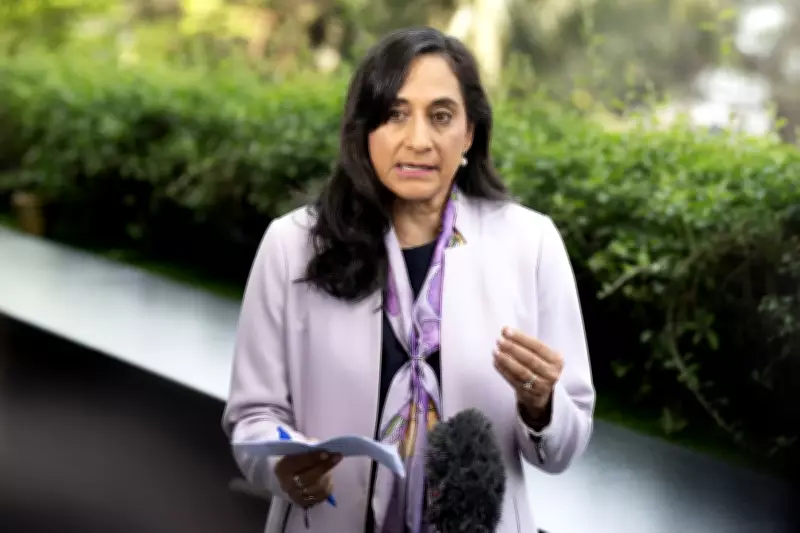
The evacuation directive was issued as a precautionary measure to ensure the safety of Canadian officials amid the volatile security environment. Foreign Affairs Minister Anita Anand, speaking from Mumbai, India, emphasized that the government is closely monitoring the situation and prioritizing the well-being of its personnel abroad. "Our top concern remains the security of Canadians, both at home and overseas," Anand stated, underscoring the gravity of the unfolding crisis.
Background of the Military Strikes
The military operations, initiated by Israel with support from the U.S., mark a dramatic escalation in long-standing hostilities with Iran. Details of the attacks remain under wraps, but sources indicate they involve targeted strikes aimed at Iranian military infrastructure. These actions have sparked fears of a broader regional conflict, prompting nations worldwide to reassess their diplomatic and security postures in the area.

Canada's response aligns with similar moves by other Western nations, which are also adjusting their diplomatic footprints in light of the escalating violence. The Canadian embassy in Tel Aviv will continue to operate with reduced staffing, maintaining essential services for citizens in Israel while adhering to strict security protocols.
Implications for International Relations
This development underscores the fragile state of international diplomacy in the Middle East. Canada, traditionally a vocal advocate for de-escalation and peaceful resolution of conflicts, now faces the challenge of navigating its foreign policy amidst rising militarization. The withdrawal of staff signals a clear recognition of the immediate risks posed by the conflict, potentially affecting bilateral relations and Canada's role in future mediation efforts.
Experts warn that the situation could deteriorate further, with Iran likely to retaliate against the strikes, thereby increasing the threat to diplomatic missions and civilians alike. The global community watches anxiously as events unfold, with many calling for restraint and dialogue to prevent a full-scale war.
Ongoing Monitoring and Citizen Advisories
The Canadian government has updated its travel advisories for Israel and surrounding regions, urging citizens to exercise extreme caution and avoid non-essential travel. Officials are also providing support to Canadians currently in the area, including assistance with evacuation plans if necessary. As the conflict evolves, further updates are expected from Ottawa regarding additional measures to protect national interests and personnel abroad.