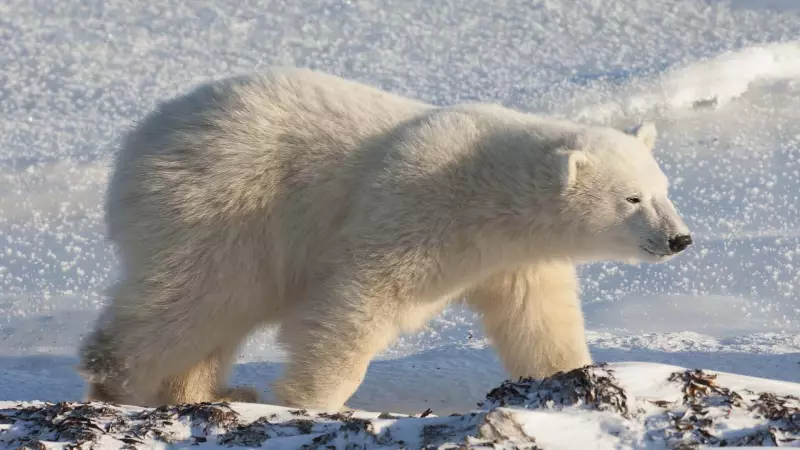
A polar bear attacked residents in a remote Siberian village, leaving three people injured, according to reports from international news agencies. The incident highlights the ongoing dangers of human-wildlife conflict in the Arctic region.
Details of the Attack
The attack occurred on January 5, 2026. The specific village was not named in the initial report, but it is described as a remote settlement in Siberia. Polar bears, which are the world's largest land carnivores, are known to venture closer to human habitation in search of food, especially as sea ice patterns change. The condition of the three injured individuals was not immediately detailed, but such encounters can result in serious, life-threatening injuries.
Context and Risks in the Arctic
Attacks by polar bears, while relatively rare, are a significant risk for communities living in the high Arctic. These powerful predators are increasingly coming into contact with people as their natural hunting grounds on sea ice diminish due to climate change. Villages in northern Russia, Canada, Alaska, and Greenland all face similar challenges. Local authorities often have protocols for dealing with bears that wander into communities, which can include hazing, relocation, or as a last resort, lethal action to protect human life.

Response and Aftermath
Emergency services were dispatched to the scene following the attack. The response in such isolated areas can be complicated by vast distances and limited infrastructure. The incident serves as a stark reminder of the fragile balance between human activity and wildlife in some of the planet's most extreme environments. It is likely that local wildlife officials will investigate the circumstances leading to the attack to prevent future occurrences.
This event in Siberia resonates with communities across the circumpolar north, including in Canada's Arctic territories, where polar bear safety is a critical part of life. Education on how to behave in bear country and secure food waste are essential community safety measures.