Calgary Zoo's Asian Highlands to Welcome Sichuan Takin and Returning Species
The Wilder Institute/Calgary Zoo is set to enrich its Imagine Asia exhibit with the arrival of four Sichuan takin this summer, marking a significant addition to the reimagined Asian Highlands area. This development coincides with the return of snow leopards and red pandas, creating a dynamic conservation showcase for visitors.
New Arrivals from Edmonton Valley Zoo
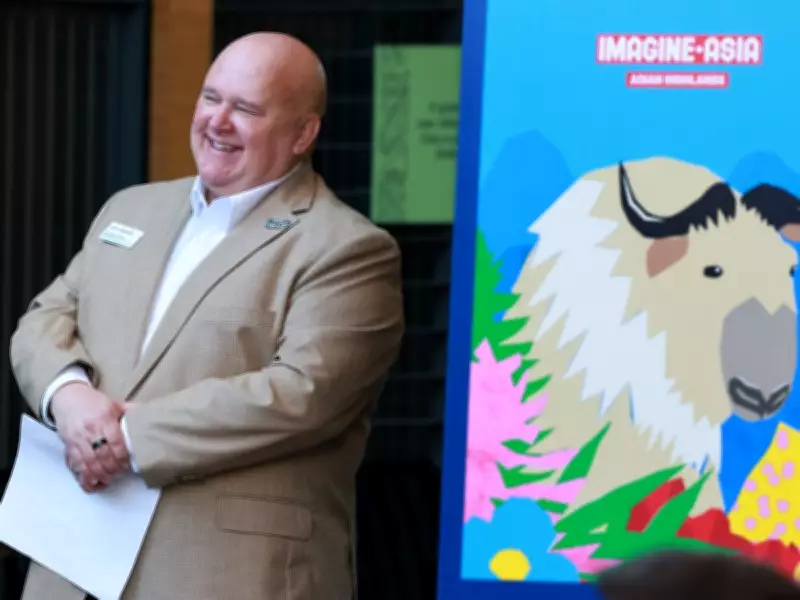
Officials announced during National Tourism Week at the ENMAX Conservatory on Monday, April 20, 2026, that the Sichuan takin, a goat-antelope native to the forested mountains of central and western China, will be transferred from the Edmonton Valley Zoo. Their new habitat is part of the first phase of the Imagine Asia multi-year transformation project, previously known as Exploration Asia, scheduled to open by July.
Dr. Kyle Burks, President and CEO of the Wilder Institute/Calgary Zoo, highlighted the animals' unique appearance and adaptability to Calgary's climate. "The Sichuan takin has a striking and distinctive appearance with traits that resemble antelope, musk ox, moose, and goats," Burks said. "They are incredible animals, native to the mountainous regions of central and western China, adapted to steep, rugged terrain and incredibly cold environments."

Physical Characteristics and Conservation Status
Belonging to the goat and sheep family and often called "goat-antelope," Sichuan takin are closely related to muskoxen due to shared adaptations to mountainous terrains. Males typically measure 1.1 to 1.3 metres high at the shoulder and weigh between 300 to 400 kg, while females range from one to 1.2 metres high and 250 to 300 kg. Their diet consists of grasses, shrubs, and leaves.
These animals are considered a Class I protected species in China, ranking at the top of national wildlife protection, and are listed as Vulnerable on the International Union for Conservation of Nature Red List. Threats include habitat loss from farming, mining, and illegal wildlife trade. "These animals do need our help," Burks emphasized. "Much of the animals in this brand new area are endangered, and we're thrilled to share their conservation stories."
Habitat Design and Breeding Opportunities
The new habitats are designed to allow the Sichuan takin to breed if inclined, supporting population growth. Alongside their addition, the Asian Highlands will feature snow leopards and red pandas in a carefully managed environment. "It's in everyone's best interest that we keep the snow leopards, the takins, and the red pandas uniquely in their homes, although they will be able to see each other," Burks explained. "Imagine an experience where you can see snow leopards and takin in the same viewshed, artfully separated."
Funding and Future Developments
Support for the Imagine Asia redevelopment includes $8 million in funding from Travel Alberta for six key projects across the province, including the Sichuan takin habitat at the Calgary Zoo, which attracts 1.4 million guests annually. Long-term plans involve reimagining the entire Asian area, with updates to the tiger habitat following the completion of this phase.
This initiative not only enhances visitor experience but also underscores the zoo's commitment to wildlife conservation and education, providing a platform to raise awareness about endangered species and their habitats.