Authorities in Saskatchewan have laid charges against a woman following an investigation into the illegal trafficking of bear parts. The suspect is accused of being involved in the trade of bear paws and gallbladders, highlighting an ongoing battle against wildlife crime in the province.
The Investigation and Charges
The case came to light after a detailed investigation by provincial conservation officers. While specific details of the operation remain under wraps to protect investigative techniques, officials confirmed that evidence led to a single female suspect from Saskatchewan. She now faces charges related to the unlawful possession and trafficking of wildlife parts, specifically bear paws and gallbladders.
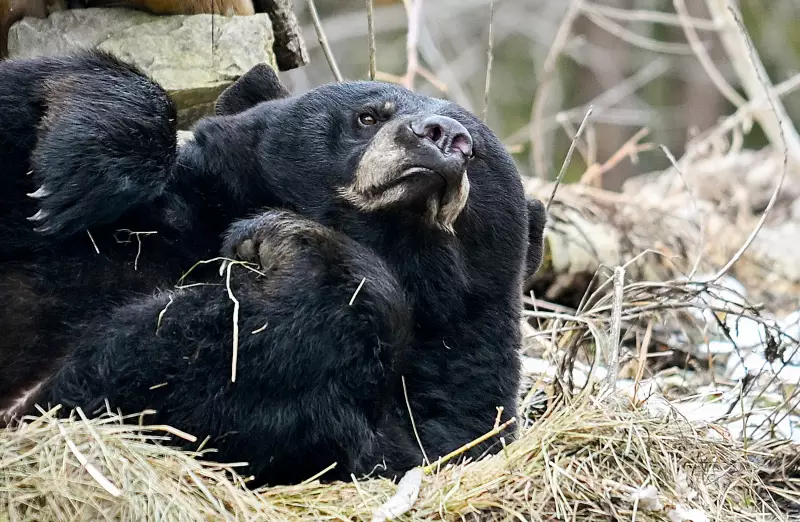
These animal parts are often sought after in illegal international markets, where they are used in traditional medicines or sold as luxury items. The black market trade poses a significant threat to bear populations, incentivizing poaching and undermining conservation efforts across Canada.

The Scope of Wildlife Trafficking in Canada
This incident is not isolated. The illegal trade in wildlife and their parts is a persistent problem that conservation authorities work tirelessly to combat. Bears are particularly vulnerable due to the high value placed on their gallbladders, which contain bile used in some traditional remedies, and their paws, which are considered a delicacy in certain cultures.
Trafficking bear parts is a serious offence under Saskatchewan's wildlife laws, as well as under federal legislation. Convictions can result in substantial fines, seizure of property used in the crime, and potential imprisonment. The work of conservation officers is critical in detecting, investigating, and prosecuting these complex crimes that often have links to organized networks.
Consequences and Continued Vigilance
The charges serve as a stark reminder of the legal and ecological consequences of wildlife trafficking. Such activities not only harm animal populations but also disrupt ecosystems and rob communities of their natural heritage. Saskatchewan's Ministry of Environment, which oversees conservation officers, has reiterated its commitment to protecting the province's wildlife through enforcement and public education.
Officials encourage the public to report any suspicious activities related to poaching or wildlife trafficking to local conservation officers or through anonymous tip lines. Public cooperation is a vital tool in stopping these crimes. As this case moves through the justice system, it underscores the ongoing need for resources and vigilance to protect Canada's bears and other wildlife from illegal exploitation.