A remarkable avian visitor has caused a stir in Vancouver, drawing crowds of enthusiastic birdwatchers to a local park. For the first time in recorded history, a Taiga Flycatcher has been spotted and photographed within Canadian borders.
A Historic First for Canadian Ornithology
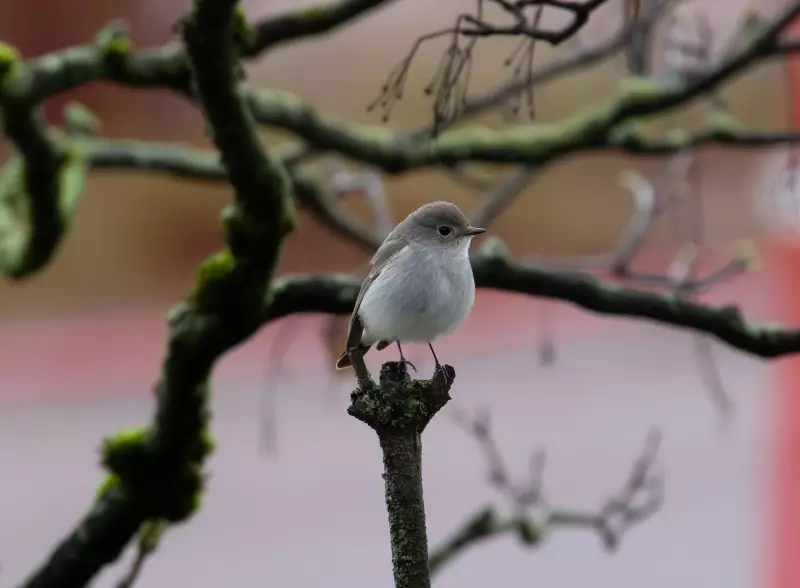
The unprecedented sighting was confirmed on December 27, 2025. The small, insect-eating bird, which typically inhabits regions of Asia and parts of Eastern Europe, was photographed in a Vancouver park by local observer Ethan Moon. His documentation provided the crucial evidence needed to verify this first-ever Canadian record of the species.
News of the rare bird spread rapidly through the birding community via apps and social networks. Throughout the day, groups of people gathered with binoculars and cameras, hoping to catch a glimpse of the feathered tourist. The event highlights the passionate and dedicated nature of Canada's birdwatching community, always ready to document rare occurrences.

What is a Taiga Flycatcher?
The Taiga Flycatcher (Ficedula albicilla) is a small, migratory songbird. It bears a resemblance to the more common Red-breasted Flycatcher but has distinct vocalizations and subtle plumage differences that experts use for identification. Its normal breeding range stretches across the taiga forests of Siberia and northern Asia, while it winters in the Indian subcontinent and Southeast Asia.
Its appearance in Vancouver is considered an extreme "vagrancy"—a term used when a bird appears far outside its normal migratory route or range. Such events can be caused by navigational errors, strong storms, or other unpredictable factors. This sighting now becomes a significant data point for scientists studying bird migration and distribution patterns.
The Significance of the Sighting
First records of bird species in a country are major events in the ornithological world. They are meticulously reviewed by records committees, like those of Birds Canada and the provincial body, which require detailed documentation including photographs and written descriptions. Ethan Moon's clear photographs were instrumental in making this confirmation possible.
This event underscores the importance of citizen science. Dedicated amateur naturalists and photographers often provide the first alert and evidence for these rare biological events. Their contributions are vital to tracking changes in wildlife populations and understanding the impacts of phenomena like climate change on animal movements.
While the specific park location is often withheld in early reports to prevent excessive disturbance to the bird, the confirmed presence of the Taiga Flycatcher in Vancouver has already created a memorable moment for the local community and adds a new species to Canada's official avian checklist.