Quebec Government Issues Spring Alert for Wildlife on Provincial Roads
The Quebec provincial government has issued a formal warning to all motorists across the province, urging increased vigilance and caution while driving during the spring season. This advisory comes in response to the annual surge in wildlife activity that typically occurs during this period, creating potentially hazardous conditions on roads throughout Quebec.
Heightened Wildlife Activity During Spring Months
Spring represents a particularly active time for numerous wildlife species across Quebec's diverse ecosystems. As temperatures rise and snow melts, animals emerge from winter habitats and begin their seasonal migrations and mating rituals. This increased movement frequently brings them into closer proximity with human infrastructure, including the province's extensive road network.
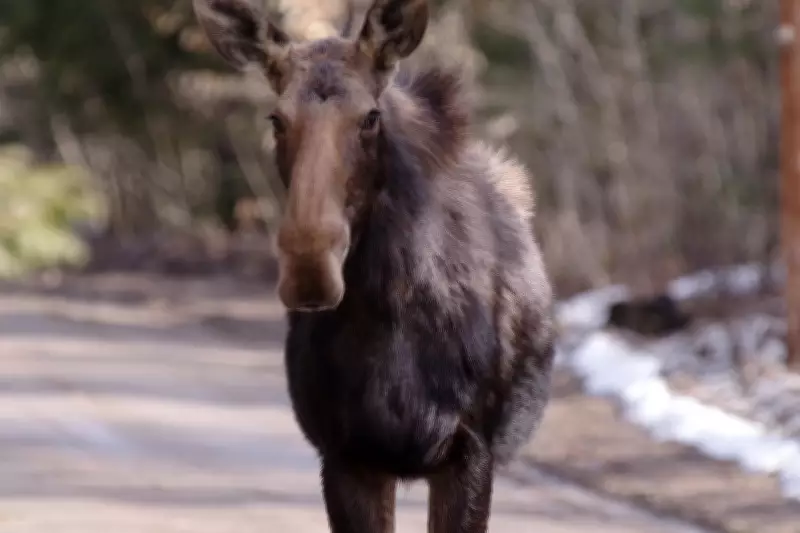
Large mammals like moose, deer, and bears are especially concerning for road safety officials due to their size and the significant damage they can cause in vehicle collisions. A recent photograph captured near Sheenboro, Quebec, illustrates this concern perfectly, showing a moose in close proximity to roadways just last spring.

Provincial Safety Recommendations for Drivers
The Quebec government has outlined several specific safety measures for motorists to implement during this high-risk period:
- Reduce speed in areas known for wildlife crossings, particularly during dawn and dusk when animals are most active
- Increase scanning of roadside areas while driving, paying special attention to wooded edges and open fields adjacent to roadways
- Use high beams when appropriate and safe to do so, as they can help illuminate animal eyes at greater distances
- Avoid sudden swerving if an animal appears on the road, as this maneuver can lead to more serious accidents with other vehicles or roadside obstacles
- Report injured animals or wildlife collisions to local authorities rather than attempting to handle the situation personally
Seasonal Patterns and Regional Considerations
Wildlife-vehicle collisions follow predictable seasonal patterns across Quebec, with spring consistently representing one of the peak periods for such incidents. The combination of melting snow revealing previously hidden food sources, mating behaviors that increase animal movement, and migration patterns that may cross transportation corridors creates a perfect storm of risk factors.
Northern and rural regions of Quebec typically experience higher rates of wildlife encounters due to their proximity to larger, less fragmented habitats. However, suburban areas adjacent to conservation zones or green corridors also see significant wildlife activity during spring months.
The provincial warning emphasizes that all drivers, regardless of their location within Quebec, should maintain heightened awareness during this transitional season. Road safety officials note that even experienced drivers can be caught off guard by sudden wildlife appearances, particularly when animals emerge unexpectedly from roadside vegetation.
Long-Term Implications and Prevention Strategies
Beyond immediate safety concerns, wildlife-vehicle collisions have broader ecological implications, including population impacts on vulnerable species and habitat fragmentation effects. The Quebec government continues to invest in mitigation strategies such as wildlife crossing structures, roadside fencing, and public education campaigns to address these interconnected challenges.
Motorists are encouraged to familiarize themselves with the specific wildlife risks in their travel regions and adjust their driving behaviors accordingly throughout the spring season and beyond.