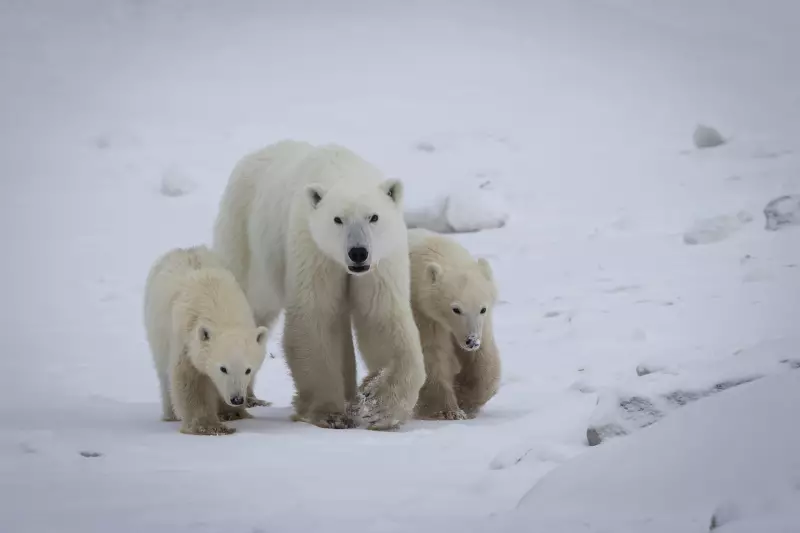
In an exceptional event observed in the Canadian Arctic, a polar bear in northern Manitoba has been documented adopting a second cub in the wild. This rare case of cross-fostering, where an adult bear assumes care for a cub not her own, offers a fascinating glimpse into the complex social behaviors of this iconic species.
A Rare Act of Care in the Wild
The adoption was confirmed by wildlife researchers monitoring polar bear populations in the region. While the exact circumstances leading to the event are being studied, such behavior is highly unusual in the wild. Typically, female polar bears are fiercely protective of their own offspring and are not known to readily accept strange cubs.
The event occurred in the remote reaches of northern Manitoba, a key habitat for the Southern Hudson Bay polar bear subpopulation. The adult female, already caring for one cub of her own, was observed providing food, protection, and guidance to a second, unrelated cub. This doubling of her maternal responsibility represents a significant and rarely seen investment of energy.

Understanding the Significance
Biologists are intrigued by what might have prompted this adoption. Potential explanations include the death of the second cub's biological mother due to predation, illness, or starvation, leaving the orphaned cub to seek survival with another family unit. The adopting bear's acceptance could be influenced by a combination of hormonal drivers, the cub's persistence, and environmental factors.
This rare case provides valuable insights into polar bear behavior and resilience. It highlights a potential, though uncommon, survival strategy for orphaned cubs in the harsh Arctic environment. Observing such interactions helps scientists better understand the social flexibility and adaptive capacity of polar bears as they face mounting pressures from climate change and habitat loss.
Conservation Context in a Changing Arctic
The story emerges against the backdrop of significant environmental challenges in the Arctic. Polar bears, listed as a species of special concern in Canada, rely on sea ice as a platform for hunting seals. With warming temperatures leading to longer ice-free seasons, bears are spending more time on land, which can increase stress, reduce hunting success, and potentially alter social dynamics.
Events like the adoption in Manitoba, while heartening, are set within this larger narrative of ecological change. Researchers continue to monitor the bear family to see if the adopted cub can thrive under its new mother's care. Each piece of behavioral data contributes to more effective conservation strategies for protecting these majestic animals and their rapidly transforming ecosystem.