Pangolins: The World's Most Trafficked Mammals Face Extinction Crisis
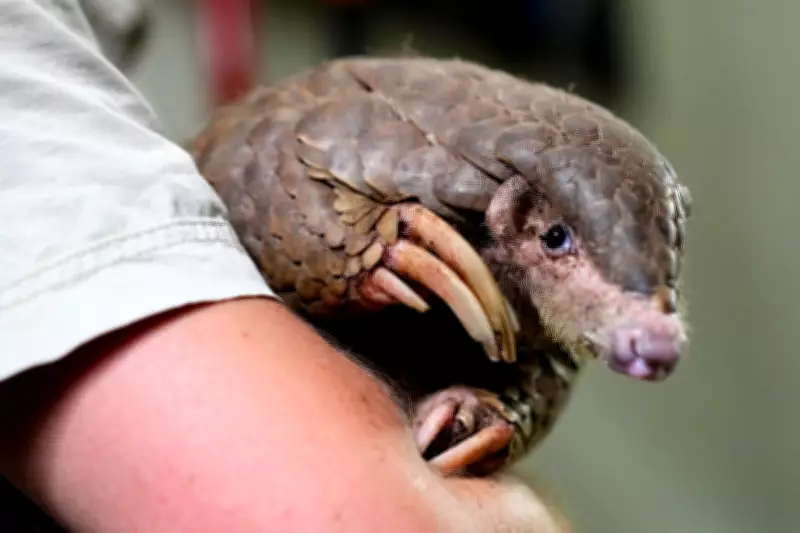
These shy, scaly anteaters known as pangolins have earned the tragic distinction of being the most trafficked mammals on Earth. Despite their unique biological characteristics and ecological importance, pangolins face relentless poaching and illegal trade that threaten their very survival.
The Plight of the Pangolin
Pangolins, sometimes called scaly anteaters, possess distinctive overlapping scales made of keratin—the same material found in human fingernails. These remarkable creatures play crucial roles in their ecosystems, primarily through insect population control as they consume ants and termites with their long, sticky tongues. Unfortunately, their biological uniqueness has become their greatest vulnerability.
The scale of the trafficking problem is staggering. According to conservation organizations, tens of thousands of pangolins are illegally traded each year across Africa and Asia. Their scales are highly sought after for use in traditional medicine, while their meat is considered a delicacy in certain markets. This relentless demand has created a multi-million dollar illegal trade that shows no signs of abating.

Conservation Efforts and Challenges
International conservation groups have been working tirelessly to protect pangolin populations. All eight pangolin species—four in Africa and four in Asia—are now listed under Appendix I of the Convention on International Trade in Endangered Species (CITES), which bans all commercial international trade. Despite these protections, enforcement remains challenging across many regions where pangolins live.
"The situation remains dire for pangolins," explains Dr. Maria Rodriguez, a wildlife conservation specialist. "While legal protections exist on paper, inadequate enforcement resources, corruption, and persistent demand continue to drive these animals toward extinction. We're racing against time to save these unique creatures."
Ecological Impact and Future Outlook
The potential extinction of pangolins would have significant ecological consequences. As natural pest controllers, their disappearance could lead to increased insect populations that might damage crops and spread diseases. Furthermore, pangolins serve as indicators of healthy forest ecosystems, and their decline often signals broader environmental degradation.
Conservationists emphasize that saving pangolins requires a multi-faceted approach:
- Strengthening law enforcement against wildlife trafficking networks
- Reducing consumer demand through education and awareness campaigns
- Protecting and restoring habitats where pangolins live and breed
- Supporting community-based conservation initiatives in pangolin range countries
- Increasing funding for research and monitoring of wild populations
The future of pangolins remains uncertain, but increased global attention to their plight offers some hope. As awareness grows about these unique mammals and the threats they face, conservationists believe that coordinated international action could still reverse their trajectory toward extinction.