The City of Ottawa has recorded a slight decrease in coyote-related service reports for the year 2025, according to official data. Municipal authorities received 607 service requests concerning coyotes, a modest decline from the 644 reports filed in the previous year.
Understanding the Numbers and Geographic Hotspots
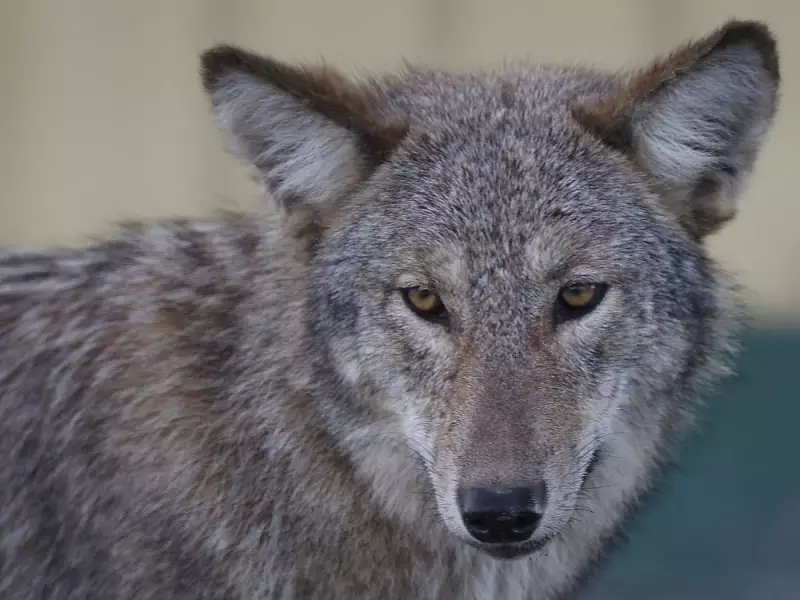
Wildlife officials caution that these figures may not directly reflect the coyote population. Dom Marcil Ferland, the city’s wildlife resource co-ordinator, noted that the data could include duplicate reports or multiple calls about a single animal sighting.
As of December 18, 2025, the data reveals distinct geographic patterns. Suburban wards at the city's edges reported the highest number of encounters. Kanata North ward led with 68 reports, a significant jump from just 18 sightings in 2024. It was followed by Orléans South-Navan with 65 reports and Orléans East-Cumberland with 52.

In contrast, central urban wards reported far fewer incidents. Rideau Vanier recorded only two sightings, the lowest in the city. West Carleton-March had three reports, and Somerset Ward had four.
Seasonal Activity and Urban Adaptation
Christopher Myles, a senior conservation officer with the National Capital Commission, explained that coyote sightings typically increase in December. This marks the start of mating and courtship season, with higher activity levels continuing throughout the winter.
"It’s hard to tell if coyote sightings have generally started increasing over the last few years, or if residents are just becoming more proactive with reporting," Myles stated. He added that visibility rises in winter due to reduced foliage, making the animals easier to spot.
Coyotes have proven highly adaptable to urban environments. Myles pointed out that urban coyote populations can live up to 70 per cent longer than their rural counterparts. Within city boundaries, they face fewer threats from hunting and trapping and often find food sources without needing to travel as far.
"There’s a lot of ideal habitat for them, and they’re extremely adaptable animals," Myles said. "They kind of learn to deal with their surroundings, and if there is abundant food sources and there’s not a lot of competition in those areas, then that’s kind of ideal for them."
What to Do If You Encounter a Coyote
While coyotes are a natural part of the urban ecosystem, safe coexistence is key. Residents are advised to follow these guidelines if they see a coyote:
- Never feed coyotes, intentionally or accidentally. Secure garbage, compost, and pet food.
- Keep pets on a leash and supervise them, especially at dawn and dusk.
- If you encounter a coyote, make yourself appear large and assertive. Shout, wave your arms, or use a noisemaker to scare it away.
- Do not turn your back or run. Back away slowly while maintaining eye contact.
- Report aggressive or habituated coyotes (those that do not fear humans) to the City of Ottawa's by-law services.
The slight year-over-year decrease in reports suggests public awareness and proactive city management may be having an effect. However, as adaptable and established residents of Ottawa's green spaces, coyotes remain a constant presence, requiring ongoing education and co-existence strategies from the community.