Ontario Property Owner and Contractor Fined $157K for Damaging Threatened Bird Habitat
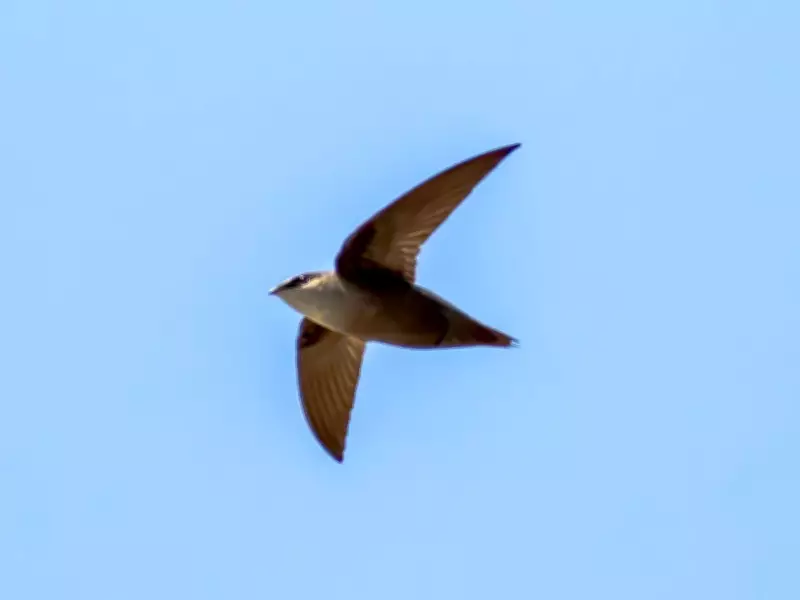
In a significant environmental enforcement case, a property owner and a demolition contractor in Parry Sound, Ontario, have been ordered to pay more than $157,000 after work at an abandoned hospital site damaged habitat used by threatened chimney swifts. The convictions under Ontario’s Endangered Species Act highlight the legal consequences of harming critical wildlife habitats without proper authorization.
Details of the Conviction and Fines
Marble Arch Corporation and contractor Adam Watson were convicted in October 2025 for harm done to the birds’ habitat during demolition work in 2020. According to a provincial court bulletin, the court ordered Marble Arch to pay $107,499 and Watson $50,000 to Birds Canada. These funds are designated to support the recovery and protection of the chimney swift, a species facing severe population declines.
Background on the Abandoned Hospital Site
The charges relate to the property of the abandoned St. Joseph’s Hospital, which closed in 2005. Part of the remaining structure included a two-storey brick building with a large cylindrical chimney. This chimney had become an important roosting site for chimney swifts during their annual migration from May to September, with sometimes hundreds of birds observed entering the structure over many years.

Importance of Chimney Swifts and Their Habitat
Chimney swifts are listed as a threatened species in Ontario and rely heavily on vertical structures like large brick chimneys for nesting and communal roosting during migration. Suitable roosting structures are becoming increasingly rare, making existing sites critical habitat for the species. According to Ontario SwiftWatch, the chimney swift population in Canada has decreased by approximately 90 per cent since 1970, underscoring the urgency of conservation efforts.
Demolition Work and Lack of Authorization
In 2019, after concerns were raised about the deteriorating buildings, Marble Arch hired an engineer who recommended demolition. The company then retained Watson to carry out the work, scheduled for spring and summer of 2020. Both parties were aware that the chimney was being used by chimney swifts and that approval under the Endangered Species Act might be required before any work that could affect the birds or their habitat.
While the Town of Parry Sound issued a demolition permit allowing the demolition of the building, the chimney itself was excluded. No provincial authorization under the Endangered Species Act was obtained before demolition began. In early June 2020, Watson demolished the building that supported the base of the chimney, leaving the chimney standing but exposing a large hole near its base.
Impact on the Chimney Swift Population
Within weeks of the demolition, the number of chimney swifts using the structure dropped to zero for the rest of the season. The hole remained uncovered until September 2020, significantly damaging the chimney’s function as a habitat. Since the demolition, only small numbers of birds have been observed using the structure, indicating a lasting negative impact on this critical roosting site.
Legal and Environmental Implications
This case serves as a stark reminder of the legal obligations under Ontario’s Endangered Species Act to protect threatened species and their habitats. It emphasizes the need for property owners and contractors to obtain proper authorizations before undertaking work that could harm wildlife. The fines imposed are intended not only as a penalty but also as a contribution to conservation efforts, aiming to mitigate the damage caused and support the recovery of the chimney swift population.
The enforcement action underscores the broader challenges in balancing development with environmental protection, particularly in regions with vulnerable ecosystems.