New Goeldi Monkey Infant Arrives at Winnipeg's Assiniboine Park Zoo
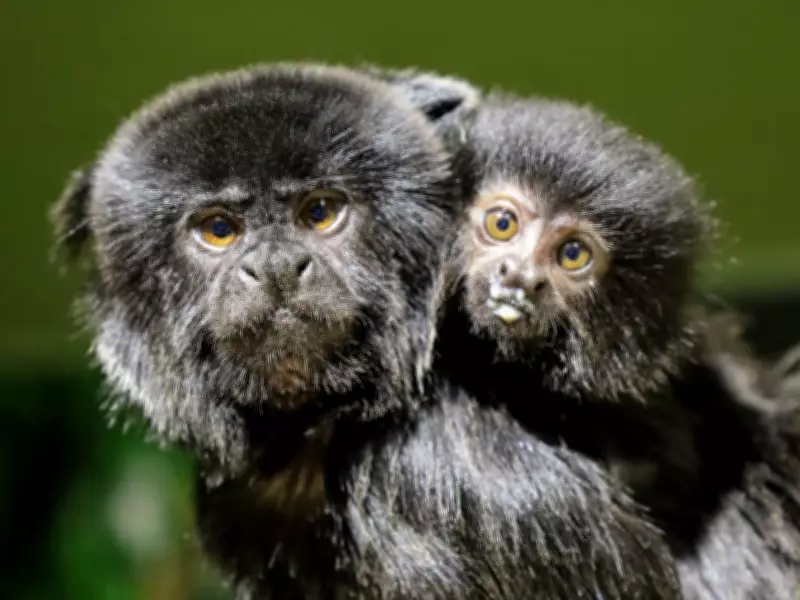
Assiniboine Park Zoo in Winnipeg has announced the exciting arrival of a new baby Goeldi monkey, a small primate species native to the Amazon rainforest. The zoo shared an undated photograph showing the infant monkey clinging to the back of another monkey, highlighting the social bonding and care typical in these animals.
Details About the New Arrival
The baby Goeldi monkey, whose sex and exact birth date have not been disclosed, appears healthy and active in the image. Goeldi monkeys, also known as callimicos, are known for their distinctive black fur and small size, typically weighing around 500 grams as adults. They are classified as near threatened due to habitat loss in South America, making this birth significant for conservation efforts.
Zoo officials have not provided additional information on the infant's parents or its integration into the existing troop, but such births are often part of managed breeding programs aimed at preserving genetic diversity in captivity. The Assiniboine Park Zoo has a history of participating in species survival plans for various animals, contributing to global wildlife conservation.

Conservation and Educational Impact
This new addition offers an opportunity for the zoo to educate visitors about the importance of rainforest conservation and the threats facing Goeldi monkeys in the wild. The species faces challenges from deforestation and climate change, with populations declining in their natural habitats. By showcasing these animals, the zoo helps raise awareness and support for environmental protection initiatives.
The baby monkey is expected to become a popular attraction, drawing families and wildlife enthusiasts to the zoo. Its arrival coincides with ongoing efforts at Assiniboine Park Zoo to enhance animal habitats and promote biodiversity, aligning with broader trends in modern zoological practices that prioritize animal welfare and conservation education.
As the infant grows, zoo staff will monitor its development closely, ensuring it receives proper nutrition and social interaction within the troop. Updates on its progress may be shared through the zoo's social media channels and public events, fostering community engagement around wildlife stewardship.