In a significant conservation achievement for British Columbia's biodiversity, one of the province's most endangered ecosystems has received permanent protection in the South Okanagan region. The Nature Trust of BC has successfully raised $2.1 million to safeguard 77 acres of ecologically vital habitat known as the Marron River Grasslands, located approximately nine kilometers south-southwest of Penticton within the traditional, ancestral, and unceded territory of the Syilx People of the Okanagan Nation.
Preserving a Rare and Fragile Ecosystem
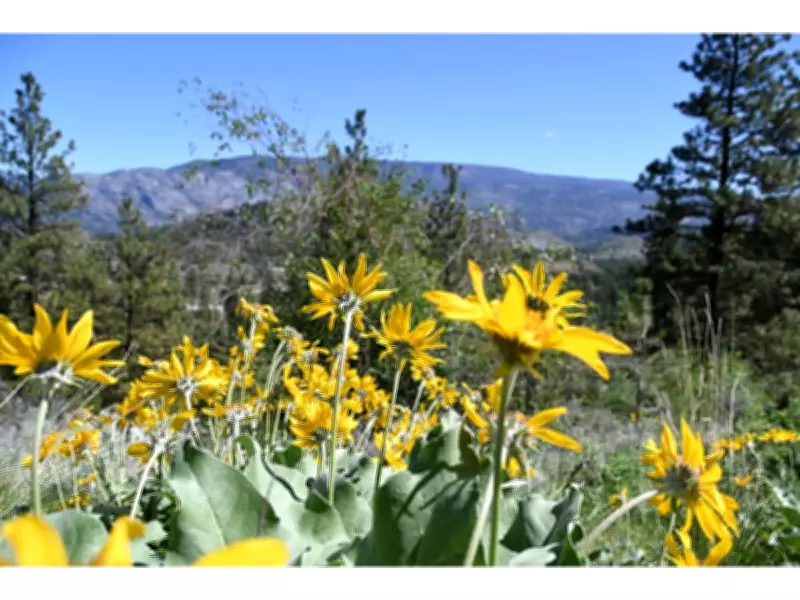
The newly established conservation area, made possible with crucial support from the South Okanagan Conservation Fund, encompasses a diverse mosaic of ecosystems that represent some of British Columbia's most threatened landscapes. This protected zone includes native grasslands, sagebrush steppe, old coniferous forest, rocky slopes, and riparian forest along the Marron River.
Approximately 35 acres of this protected area consist of native open grassland—an ecosystem that covers less than one percent of British Columbia's total land base yet supports more species at risk than any other ecosystem in the province. Temperate grasslands rank among the world's most threatened ecosystems, making this conservation effort particularly significant for regional and global biodiversity.

Ecological Importance Beyond Species Protection
The South Okanagan region contains some of Canada's most biologically diverse landscapes, though much of its native grassland has suffered degradation over time. Protecting remaining intact grasslands proves essential for maintaining biodiversity and supporting wildlife in this unique ecological region.
Beyond supporting rich biodiversity, these grassland ecosystems play a critical role in climate resilience through multiple mechanisms:
- Carbon sequestration facilitated by deep root systems
- Soil stabilization that prevents erosion
- Water retention capabilities that help landscapes withstand increasingly dry conditions
Conservation Leadership and Community Stewardship
Jasper Lament, CEO of The Nature Trust of BC, emphasized the importance of this conservation achievement: "The South Okanagan is incredibly important for BC's biodiversity. Native grasslands are one of the rarest ecosystems in the province, yet they support an extraordinary variety of plants and animals, including many species at risk. Protecting these lands helps ensure these fragile ecosystems continue to support wildlife, store carbon, and remain part of the South Okanagan landscape for generations to come."
Long-Term Hummingbird Research Connection
A distinctive feature of the Marron River Grasslands conservation area involves its connection to long-term hummingbird monitoring led by naturalist and former landowner Doreen Olson. For over two decades, Olson has carefully stewarded this land while documenting the species present, including conducting hummingbird banding through the BC Hummingbird Project since 2016.
Olson shared her perspective on this long-standing relationship with the land: "Hummingbirds have played a vital role in my connection to this land. Through the BC Hummingbird Project we have monitored and banded hummingbirds here since 2016. I have observed and appreciated these birds' incredible behavior, witnessing their return each year. This experience has highlighted the importance of maintaining a healthy environment, which is essential for hummingbirds to nest and raise their young."
Her contributions provide valuable observations about the tiny migratory birds that depend on healthy habitats throughout the Okanagan region, demonstrating how individual stewardship can complement broader conservation initiatives.
A Model for Future Conservation Efforts
This successful protection of the Marron River Grasslands represents a collaborative achievement involving conservation organizations, funding partners, and dedicated community members. The conservation area not only safeguards critical habitat for numerous at-risk species but also preserves a living laboratory for ongoing ecological research and monitoring.

As climate change intensifies and development pressures continue across British Columbia, such conservation successes provide essential models for balancing ecological protection with regional development. The preservation of these 77 acres ensures that future generations will continue to benefit from the ecological services, biodiversity, and natural beauty that characterize the South Okanagan's rare grassland ecosystems.