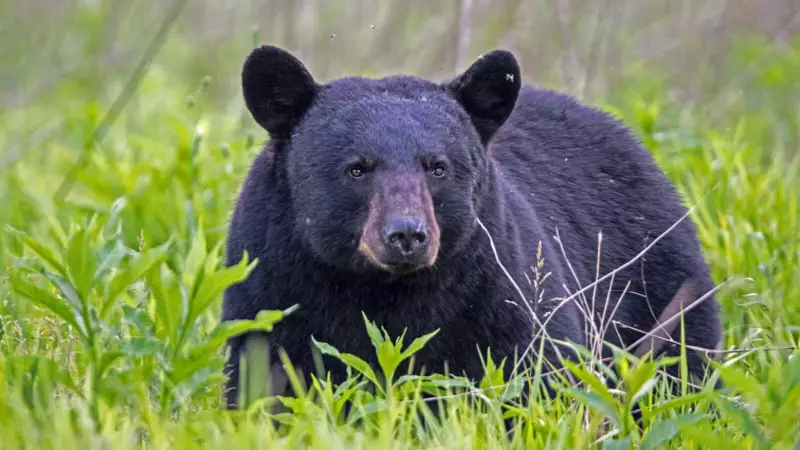
Florida's first sanctioned black bear hunt in close to ten years has officially concluded, reigniting a fierce and longstanding debate over wildlife management, conservation ethics, and human-animal conflict in the state. The hunt ended on December 29, 2025, as confirmed by official sources, marking a significant and contentious moment for environmental policy.
A Decade-Long Pause Comes to an End
The decision to reinstate the hunt followed nearly a decade of prohibition, a period during which Florida's black bear population saw recovery and expansion. State wildlife officials argued that regulated hunting is a necessary tool for population management, citing increasing reports of bear encounters in suburban and urban areas. Proponents frame it as a sustainable method to control bear numbers and mitigate potential threats to public safety and property.
However, the move was met with immediate and vocal opposition from animal rights groups, conservation organizations, and many residents. Critics condemn the practice as cruel and unnecessary, arguing that non-lethal methods of coexistence—such as securing garbage and using bear-resistant containers—are more effective and humane long-term solutions. They question the ecological justification and emphasize the bear's role as a keystone species in Florida's ecosystems.

The Core of the Controversy
The controversy extends beyond the ethical debate, touching on deeper questions about how modern societies manage wild spaces and species. Opponents have raised concerns about the accuracy of population estimates used to set hunting quotas, the potential for orphaning bear cubs, and whether hunting in remote areas effectively addresses the problem of bears in communities, which is often driven by the availability of human food sources.
Legal challenges and public protests preceded the hunt, highlighting the deep divide. The event has served as a flashpoint, mobilizing activists on both sides and drawing national attention to Florida's wildlife management strategies. The state's approach is being closely watched by other regions grappling with similar human-wildlife conflicts.
Looking Ahead: Repercussions and Next Steps
In the immediate aftermath, wildlife agencies are expected to compile and release data on the hunt's outcomes, including the total harvest and its geographical distribution. This data will be scrutinized by both supporters and opponents and will likely inform future policy decisions.
The end of this hunt is not the end of the conversation. The ongoing controversy is sure to influence upcoming discussions on state conservation funding, research into bear behavior, and community education programs. The fundamental conflict between utilitarian wildlife management and preservationist ethics remains unresolved, setting the stage for continued political and legal battles in Florida and beyond. The debate underscores the complex challenge of balancing ecological health, public safety, and ethical considerations in a rapidly changing environment.