Residents in several southern New Brunswick communities continue to navigate life alongside a persistently high population of white-tailed deer. The situation, documented by local media, highlights the ongoing intersection of urban expansion and wildlife habitats in the region.
A Common Sight in Community Spaces
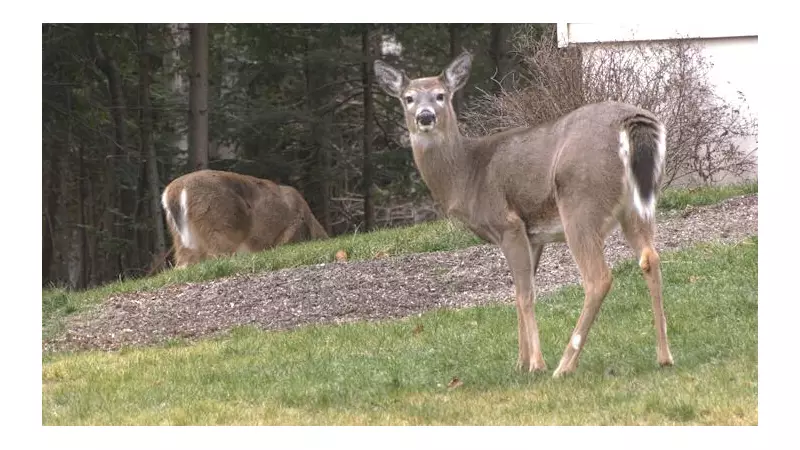
The presence of these animals has become a regular feature in areas like Quispamsis, where deer are frequently observed in residential yards and neighbourhoods. This consistent visibility underscores the adaptation of deer to suburban environments and the proximity in which humans and wildlife now coexist. The phenomenon is not isolated to a single area but is noted across multiple communities in the southern part of the province.
Factors Behind the Sustained Population
While the original report from December 22, 2025 by Avery MacRae does not delve into specific causes, several factors commonly contribute to high deer numbers in such settings. These often include a combination of mild winters, abundant food sources in landscaped areas, and a lack of natural predators in suburban zones. The result is a robust and visible deer population that has become a fixture of the local landscape.

The ongoing situation presents a complex picture for residents. For some, the sight of deer is a welcome connection to nature. For others, it can lead to challenges such as garden damage, potential vehicle collisions, and concerns about tick-borne diseases like Lyme disease, which deer can carry.
Community Considerations and Coexistence
The sustained high deer numbers prompt important conversations about wildlife management and urban planning. Communities are often tasked with finding a balance between appreciating local fauna and mitigating the practical problems they can introduce. This may involve public education on deterrents, discussions about habitat modification, or consultations with provincial wildlife officials regarding population management strategies.
The scene in Quispamsis, captured in the recent report, serves as a microcosm of a broader dynamic playing out in many Canadian regions where human settlements border natural wildlife areas. The persistence of the high deer population indicates that this is not a fleeting issue but a sustained condition of the local environment.
As communities adapt, the focus often shifts towards developing sustainable, long-term strategies for coexistence. This includes understanding deer behaviour, securing potential attractants like garbage or certain plants, and driving with increased caution, especially during dawn and dusk when deer are most active.