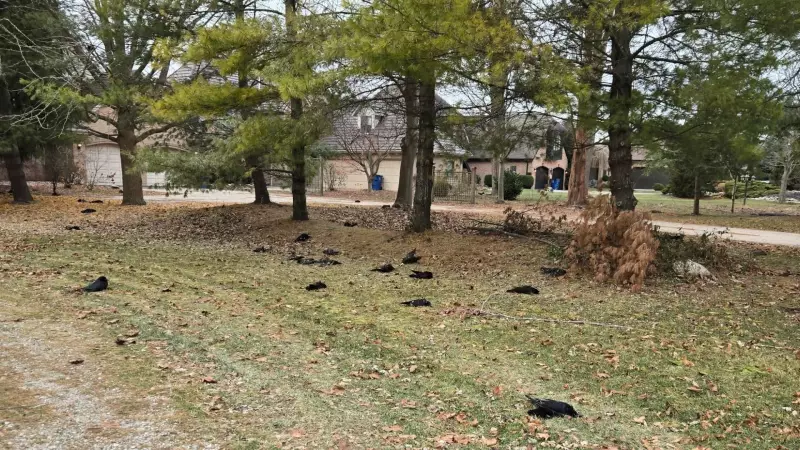
Local officials in southwestern Ontario have launched an investigation after a concerning discovery of multiple dead crows. The cluster of deceased birds was found in Chatham-Kent in December 2025, raising immediate concerns about a potential outbreak of avian influenza.
Details of the Discovery and Initial Response
The unsettling find was reported to authorities, prompting a swift response from animal health and wildlife officials. While the exact number of birds has not been publicly disclosed, the term "cluster" indicates a grouping significant enough to warrant an official inquiry. The incident occurred in the final week of December, with the report being made public on December 23, 2025.
Vanessa Skipper is credited as the source who provided visual evidence of the scene. The primary focus of the investigation is to determine if the highly pathogenic avian influenza (HPAI), commonly known as bird flu, is the cause of death. This virus has periodically impacted both wild bird populations and poultry farms across Canada in recent years.

Understanding the Threat of Avian Influenza
Avian influenza is a viral infection that can spread rapidly among bird populations. While some strains pose a low risk, highly pathogenic varieties can cause severe illness and high mortality in wild birds and domestic poultry. Officials are taking the discovery in Chatham-Kent seriously due to the virus's potential to affect:
- Local wildlife ecosystems
- Nearby commercial poultry operations
- Other bird species in the region
The investigation will likely involve testing samples from the deceased crows at a laboratory to confirm the presence and strain of the virus. Provincial and federal animal health agencies are typically involved in such cases to coordinate a response and issue public advisories.
Broader Implications and Public Guidance
While the risk to human health from avian influenza is generally considered low, authorities often advise the public to exercise caution. Standard recommendations during such investigations include:
Avoiding contact with sick or dead wild birds. Residents who encounter deceased birds are advised not to touch them and to report the findings to local conservation authorities or the Canadian Wildlife Health Cooperative. Pet owners, particularly those with dogs that may scavenge, are also urged to keep their animals away from wildlife carcasses.
The outcome of this investigation will guide next steps, which could range from increased surveillance in the area to specific biosecurity alerts for local farmers. The situation underscores the ongoing challenge of managing wildlife diseases in Canada and the importance of early detection systems. Officials have not yet released a timeline for when test results are expected.