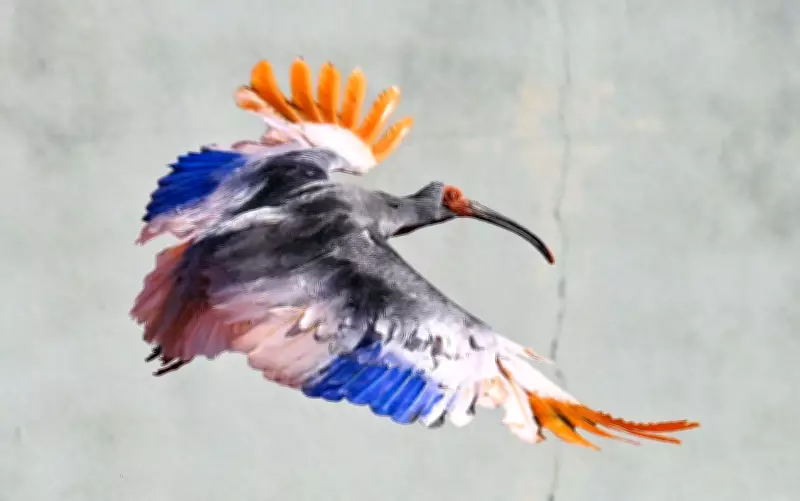
Eight Crested Ibises Released in Japanese Town Decades After Extinction
In a significant conservation milestone, eight crested ibises were released into the wild in Hakui, Japan, on Sunday, May 31, 2026. This event marks a crucial step in efforts to reintroduce the species, which had been declared extinct in Japan decades ago.
The crested ibis, known for its distinctive white plumage and red face, was once widespread across East Asia. However, due to habitat loss, hunting, and pesticide use, the population plummeted, leading to its extinction in Japan by the early 2000s. Conservationists have been working tirelessly to breed the birds in captivity and prepare them for release into their natural habitat.
The release event was attended by local officials, conservationists, and community members who gathered to witness the birds take flight. Each ibis was marked with painted wings to help researchers track their movements and monitor their adaptation to the wild. The birds were released into a protected area where they will have access to suitable feeding and nesting sites.

This release is part of a broader initiative to restore the crested ibis population in Japan. The birds were bred at a specialized facility and underwent a period of acclimatization before being set free. Conservationists hope that this release will lead to the establishment of a self-sustaining wild population.
The success of this program could serve as a model for other endangered species recovery efforts. The crested ibis is considered a symbol of good luck in Japanese culture, and its return to the wild has been met with widespread enthusiasm. Local communities have been involved in habitat restoration and monitoring efforts to ensure the birds' survival.
Authorities have implemented measures to protect the released ibises, including restrictions on land use and public access to the release site. Researchers will continue to track the birds using GPS tags and direct observation. The goal is to release additional birds in the coming years to strengthen the population.
This achievement highlights the importance of international cooperation in conservation. Japan has collaborated with other countries, including China, where a small wild population of crested ibises still exists, to exchange knowledge and genetic material for breeding programs.
The release of the crested ibises is a testament to the dedication of conservationists and the resilience of nature. It offers hope for the recovery of other endangered species and underscores the critical role of human intervention in preserving biodiversity.