The death of French film icon and animal rights activist Brigitte Bardot has sparked reflection in Canada, where she is remembered not for her cinematic roles but for her decades-long, fierce campaign against the country's commercial seal hunt.
A Vocal Critic on the International Stage
Bardot, who passed away, leveraged her global fame to become one of the most prominent international critics of the Canadian seal harvest. Her activism spanned from the 1970s well into the 21st century, consistently drawing worldwide media attention to the issue.
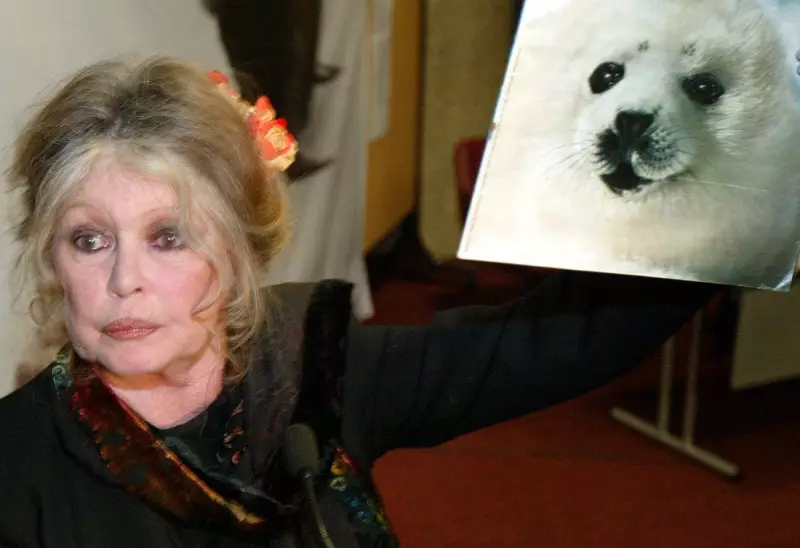
One of her most notable public actions occurred on December 5, 2005, in Geneva, Switzerland. There, Bardot, then heading the Foundation Brigitte Bardot, joined forces with the Fondation Franz Weber. At a press conference at the International Conference Center, she held a magazine featuring a picture of a baby seal, using the powerful imagery to call for a boycott of Canadian products.

The goal was to exert economic pressure on the Canadian government to end the commercial hunt, which she and other activists decried as inhumane. This event, captured by Associated Press photographer Nicholas Ratzenboeck, became a symbolic moment in the long-standing conflict between animal welfare groups and the Canadian sealing industry.
The Enduring Controversy of the Seal Hunt
The commercial seal hunt, primarily conducted off the coast of Newfoundland and Labrador and in the Gulf of St. Lawrence, has been a source of international controversy and diplomatic tension for over half a century. While supported by many in coastal communities as a cultural tradition and source of income, it has faced relentless opposition from animal protection organizations.
Bardot's foundation was a key player in this opposition, funding campaigns, investigations, and lobbying efforts. Her celebrity status guaranteed headlines, making the seal hunt a recurring topic in European media and parliaments. This advocacy contributed to significant market closures, most notably the European Union's ban on seal product imports in 2009, which dealt a severe economic blow to the industry.
A Complex Legacy in Canada
In Canada, reactions to Bardot's activism have always been deeply polarized. Animal rights advocates hailed her as a courageous and compassionate voice for voiceless creatures. Many credit her with keeping the issue in the global spotlight and achieving tangible policy changes that reduced the scale of the hunt.
Conversely, in sealing communities, she was often viewed as an out-of-touch outsider, whose campaigns threatened their livelihoods and misrepresented a regulated, sustainable harvest. Critics argued that her messaging relied heavily on emotional imagery of whitecoat harp seal pups (the hunting of which was banned in Canada in 1987) rather than the realities of the contemporary hunt.
Regardless of perspective, Brigitte Bardot's role in shaping the international debate around Canada's seal hunt is undeniable. Her death marks the closing of a chapter for an activist whose name became synonymous with the protest against the practice. The debate over the hunt's future continues, but the intense global scrutiny she helped generate forever changed its context and execution.