Waterloo Region Appoints Global Expert to Tackle Critical Water Shortage Crisis
The Region of Waterloo has taken a decisive step to address its escalating water scarcity by appointing an internationally recognized expert in water resource management. This strategic move comes as the community grapples with diminishing water supplies exacerbated by climate change impacts and rapid population expansion.
Urgent Need for Specialized Solutions
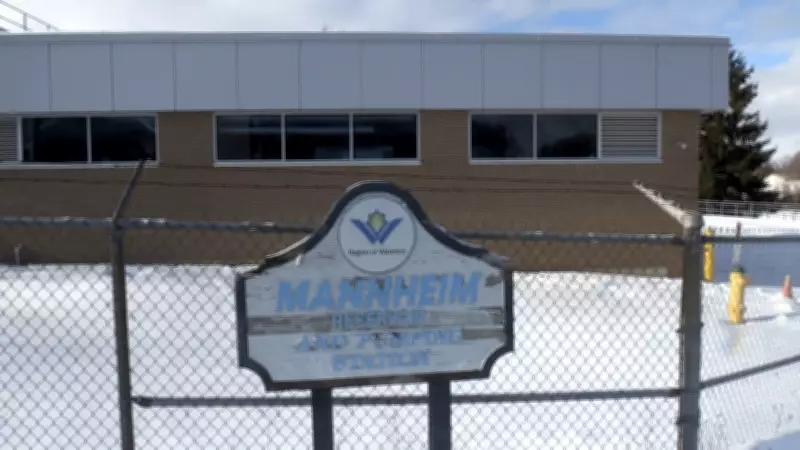
Local authorities have confirmed that the Mannheim Reservoir and Pumping Station in Kitchener, photographed in December 2025, is operating under significant strain. The reservoir, a crucial component of the region's water infrastructure, has shown visible signs of depletion, highlighting the urgency of the situation.
The water shortage has reached critical levels, prompting municipal leaders to seek external expertise. The newly appointed specialist brings decades of experience from managing water crises in arid regions worldwide, including innovative conservation techniques and advanced distribution systems.

Comprehensive Strategy Development
The expert's mandate includes conducting a thorough assessment of Waterloo's current water systems, identifying vulnerabilities, and proposing both immediate and long-term solutions. Key focus areas will include:
- Enhancing reservoir capacity and efficiency
- Implementing advanced leak detection technologies
- Developing community-wide conservation programs
- Exploring alternative water sources and recycling initiatives
- Creating drought contingency plans for extreme weather events
"This appointment represents our commitment to securing Waterloo's water future," stated a regional official. "We cannot afford to delay action when our reservoirs are showing such clear signs of stress."
Broader Environmental Context
The water crisis in Waterloo reflects larger environmental challenges facing communities across Canada. Climate change has altered precipitation patterns, reducing reliable water sources while increasing demand during dry periods. Simultaneously, population growth in the region has placed additional pressure on existing infrastructure.
The expert will collaborate with local environmental groups, Indigenous communities with traditional water knowledge, and academic institutions specializing in hydrology. This multidisciplinary approach aims to create solutions that are both scientifically sound and culturally appropriate.
Public engagement will form a crucial component of the strategy, with educational campaigns planned to help residents understand their role in water conservation. The region anticipates releasing preliminary recommendations within six months, followed by a comprehensive action plan by year's end.
As Waterloo confronts this fundamental challenge, the appointment of international expertise signals a proactive approach to resource management that other municipalities facing similar shortages may soon emulate.