As drought conditions persist in many regions, gardeners are increasingly concerned about water usage. Helen Chesnut offers expert advice on selecting water-thrifty plants and employing efficient watering techniques to maintain a healthy garden while conserving water.
Soil Preparation for Moisture Retention
The foundation of a drought-resilient garden is healthy soil. Incorporating compost and coconut fibre (coir) enhances moisture retention, especially in areas prone to rapid drying like plot corners and edges. A spongy, humus-rich soil holds water effectively, reducing the need for frequent watering.
Efficient Watering Methods
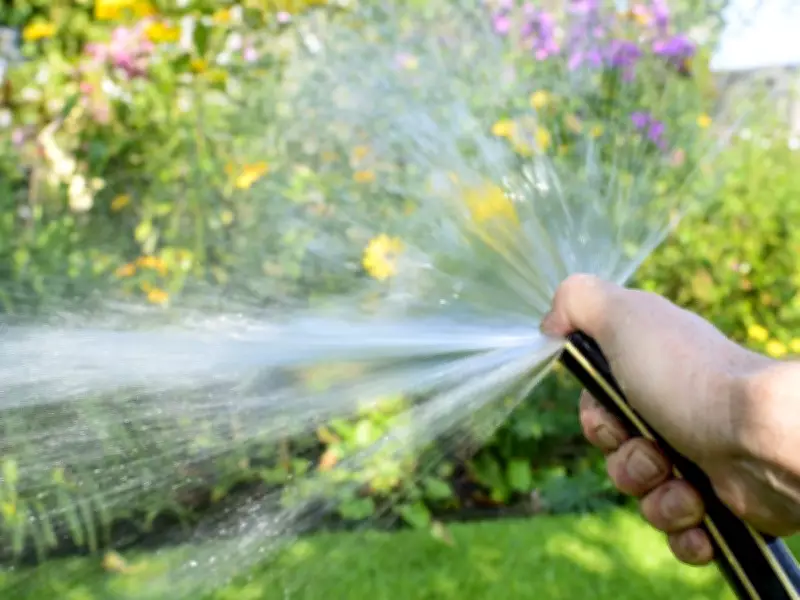
Drip irrigation is the most efficient method as it delivers water directly to the soil near plant roots. If overhead watering is necessary, avoid sprinklers that spray upward, which increases evaporation. Hand watering at soil level is also effective. The best time to water is early morning before evaporation rates rise. Evening watering is acceptable if applied at the soil level to avoid damp foliage, which can promote diseases and slug activity. Water infrequently but deeply, allowing moisture to penetrate the soil thoroughly.

Mulching for Water Conservation
Applying a layer of mulch after a deep watering helps conserve soil moisture. Use chopped leaves, straw, or small bark pieces between rows and around larger plants. Straw also keeps edibles like squash, melons, cucumbers, and strawberries clean as they rest on top.
Water-Thrifty Plants
Certain vegetables and flowers require less water. Overwintered plants harvested in spring or early summer, such as garlic, broccoli, cabbage, and cauliflower, are naturally drought-tolerant. Root crops like carrots, beets, and parsnips, if seeded early to develop deep roots, become modestly drought-resistant. Most beans are also water-thrifty.
Annual flowers that thrive with minimal water include zinnia, marigold, California poppy, alyssum, portulaca, salvia, and gazania. Perennials such as yarrow, Echinacea, rock rose (Helianthemum), sedum, and sempervivum (hen and chicks) are excellent choices for drought-prone gardens.
By implementing these strategies, gardeners can reduce water usage while maintaining vibrant, productive gardens even during drought conditions.