Virden Takes Action to Improve Water Quality by Addressing Arsenic
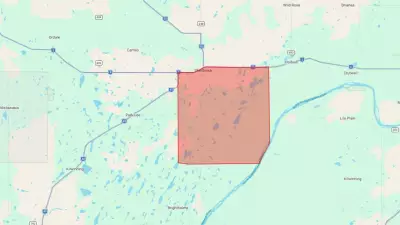
The community of Virden, located in southwestern Manitoba, is proactively implementing adjustments to its municipal water treatment processes. The primary goal of these modifications is to reduce the concentration of arsenic found in the local drinking water supply. Arsenic, a naturally occurring element, can pose significant health risks when present in elevated levels over prolonged periods of exposure.
Understanding the Health Implications of Arsenic in Water
Long-term consumption of water containing high levels of arsenic has been linked to various serious health conditions. These include an increased risk of certain cancers, skin lesions, cardiovascular diseases, and negative impacts on cognitive development in children. Municipal authorities in Virden are taking these potential risks seriously by prioritizing water quality enhancements.
The adjustments involve optimizing existing filtration and treatment technologies to more effectively remove arsenic contaminants. This initiative reflects a broader commitment to public health and environmental stewardship within the region.

Community Response and Regulatory Context
Local residents have expressed support for these measures, recognizing the importance of access to clean and safe drinking water. The changes align with Health Canada guidelines and provincial regulations that set strict limits for arsenic in potable water. Regular monitoring and testing will continue to ensure compliance and track progress toward achieving lower arsenic levels.
Officials have emphasized that these adjustments are part of an ongoing effort to maintain and improve infrastructure. They assure the public that the water remains safe for consumption during the implementation phase, with no immediate health advisories issued.
Broader Implications for Water Management in Manitoba
Virden's proactive approach serves as a model for other municipalities in Manitoba and across Canada that may face similar challenges with naturally occurring contaminants. Investing in water treatment infrastructure is crucial for safeguarding community health, especially in regions where geological factors contribute to higher arsenic concentrations in groundwater sources.
By addressing this issue head-on, Virden demonstrates leadership in environmental health and sets a precedent for responsible resource management. Continued public education and transparent communication will be key as these adjustments are fully integrated into the town's water treatment system.