The recent water emergencies in Calgary have forced a stark reckoning with a deeply held national belief: the myth of Canada's limitless freshwater abundance. While the country is famously home to 20 percent of the world's fresh water, the reality of access, infrastructure, and consumption paints a far more precarious picture.
The Illusion of Abundance and the Reality of Infrastructure
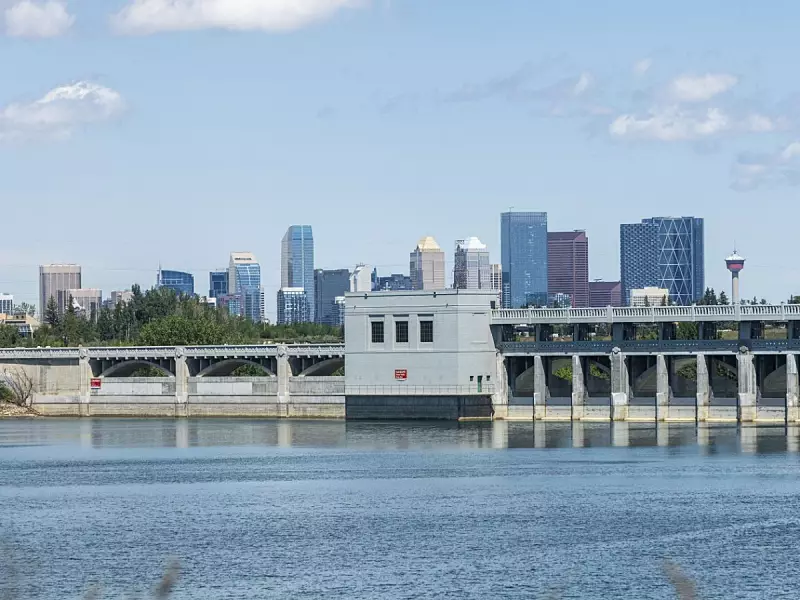
The core of the issue lies in a critical asterisk to the national water narrative. Much of Canada's vast freshwater reserves are not located near population centers where the demand is highest. Furthermore, even accessible water requires significant investment in infrastructure for treatment and distribution, a vulnerability starkly highlighted by the repeated failures of Calgary's critical Bearspaw South feeder main.
These breaks have served as a wake-up call, demonstrating that a secure water supply is not guaranteed. While the main has been repaired, the episodes prompt essential questions about what "normal" water use should look like in a region prone to drought and infrastructure strain.

From Crisis Conservation to Daily Discipline
During emergencies, Calgarians showed they can conserve, adopting measures like collecting shower water for toilet flushing. The challenge is embedding that mindset into everyday life. Questions arise: Why do we revert to long showers? Is full-blast faucet use necessary? Are half-full laundry and dishwasher loads still common?
The problem intensifies dramatically during summer months. Municipalities invest enormous resources to treat water to drinking standards, only for a significant portion to be poured onto lawns. The City of Calgary notes a standard garden hose can use 85 litres of water in just five minutes.
Lawn Watering: A National Thirst in Dry Regions
Statistics Canada data from 2024 reveals a telling national pattern. While about two-thirds of Canadian households had a lawn in 2021, the proportion who watered it varied wildly by region, often inversely related to water security.
Strikingly, the prairie provinces of Alberta and Saskatchewan reported the highest rates of lawn watering, at 67% and 76% of households respectively, despite being highly susceptible to drought. In contrast, only 12% of households in Prince Edward Island and 17% in New Brunswick engaged in the practice.
Local data supports this trend. The Town of Cochrane, northwest of Calgary, reports a 30% surge in residential water use every summer, largely attributed to outdoor watering. This seasonal spike places immense pressure on systems already shown to be fragile.
The lesson from Calgary's recent trials is clear. Canada must collectively move beyond the comforting legend of endless water and embrace a new ethic of permanent, prudent use. Conservation cannot be a temporary crisis response; it must become the foundational principle for managing a precious and finite resource in an uncertain climate.