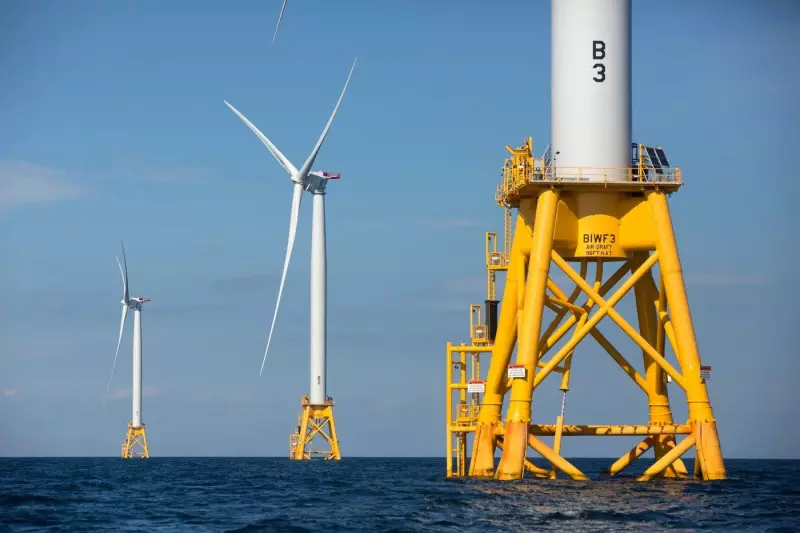
A major French player in the renewable energy sector has announced its intention to pursue offshore wind development in Nova Scotia, marking a significant potential step for the province's clean energy ambitions.
European Expertise Meets Atlantic Potential
The company, a well-established firm from France with a global portfolio in renewable energy, is aiming to develop offshore wind projects in Nova Scotian waters. This move aligns with both provincial and federal goals to expand clean electricity generation and reduce greenhouse gas emissions. The firm brings extensive experience from projects in Europe and elsewhere, suggesting a serious commitment to navigating the technical and regulatory landscape.
While the initial announcement was made public on January 14, 2026, specific project locations, capacity targets, and investment figures are expected to be detailed following further feasibility studies and community engagement. The development of offshore wind is a complex, multi-year process involving environmental assessments, marine spatial planning, and securing permits.

What This Means for Nova Scotia's Energy Future
The pursuit of offshore wind energy represents a forward-looking strategy for Nova Scotia. The province possesses a strong and consistent wind resource, particularly offshore, which could provide a substantial, non-emitting source of baseload power. Successfully harnessing this resource could:
- Diversify the provincial energy mix, reducing reliance on imported fossil fuels.
- Create new opportunities in manufacturing, marine services, and skilled trades during both construction and long-term operations.
- Position Nova Scotia as a potential leader in the North American offshore wind industry.
- Contribute significantly to Canada's national targets for a net-zero electricity grid.
Navigating the Path Forward
The project will need to proceed with careful consideration of multiple factors. Key areas of focus will include ensuring minimal impact on marine ecosystems, fisheries, and coastal communities. The regulatory framework for offshore wind in Atlantic Canada is still evolving, requiring close collaboration between the developer, the Nova Scotia government, federal authorities, and Indigenous groups.
This announcement signals growing international confidence in Nova Scotia's renewable energy potential. If the project advances, it could bring substantial economic development and clean power to the region, while also presenting a learning opportunity for managing large-scale offshore infrastructure in Canadian waters. The coming years will be critical for stakeholder consultation and laying the groundwork for a successful and sustainable development.