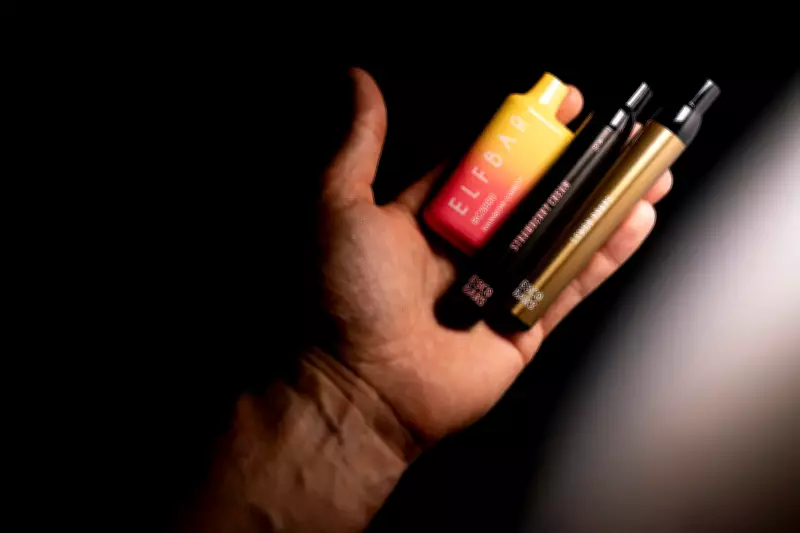
Winnipeg Initiates Pilot to Tackle Vaping Device Waste
The City of Winnipeg is embarking on a new environmental initiative aimed at reducing the impact of disposable vaping products on waste management systems. This trial program seeks to divert these devices from both landfills and conventional recycling facilities, where they currently pose significant challenges due to their complex composition and potential hazards.
Addressing a Growing Environmental Issue
Disposable vaping devices, such as Elf Bar and Esco Bar products, have become increasingly popular in recent years, leading to a surge in electronic waste. These items contain batteries, plastics, and residual nicotine liquids that can leach harmful substances if not disposed of properly. Traditional recycling processes are often ill-equipped to handle such materials, resulting in many devices being sent to landfills where they contribute to environmental pollution.
The pilot program represents a proactive step by Winnipeg officials to manage this emerging waste stream more effectively. By creating specialized collection and processing methods, the city hopes to prevent toxic components from contaminating soil and groundwater, while also recovering valuable materials for reuse.

How the Program Will Operate
While specific details of the trial are still being finalized, the initiative is expected to involve designated drop-off points where residents can safely deposit their used vaping devices. These collection sites will likely be established at municipal facilities, retail partners, or through special waste management events. The collected items will then undergo specialized processing to separate and safely handle the various components.
This approach aligns with broader waste reduction goals and reflects growing concerns about the environmental footprint of single-use electronic products. Similar programs have been implemented in other jurisdictions facing comparable challenges with vaping waste, providing Winnipeg with valuable precedents to inform their strategy.
Broader Implications and Future Outlook
The success of this trial could have significant implications for waste management policies across Canada. As disposable vaping products continue to proliferate, municipalities nationwide are grappling with how to address their environmental impact. Winnipeg's pilot may serve as a model for other cities seeking sustainable solutions to this modern waste dilemma.
Environmental advocates have welcomed the initiative, noting that proper disposal of vaping devices is crucial for protecting public health and ecosystems. The program also highlights the need for extended producer responsibility, where manufacturers might be required to contribute to the collection and recycling of their products.
As the trial progresses, city officials will monitor participation rates, processing efficiency, and environmental benefits to determine whether to expand or modify the program. This represents an important step toward more comprehensive electronic waste management in an era of rapidly evolving consumer technology.