Calgary Endures a Week of Weather Whiplash with Dramatic Temperature Swings
Residents of Calgary faced a tumultuous week of weather, characterized by rapid and extreme temperature changes that disrupted routines and underscored the city's unpredictable climate patterns. The phenomenon, often described as "weather whiplash," saw conditions shift from unseasonably warm periods to abrupt cold snaps within short timeframes.
Unpredictable Patterns Disrupt Daily Life
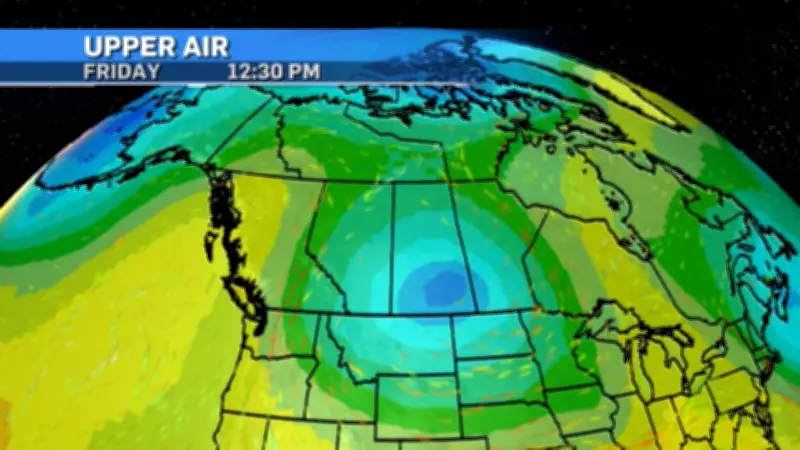
The week began with temperatures soaring above seasonal norms, offering a brief taste of spring-like warmth. However, this was quickly followed by a sharp decline, with cold fronts bringing frosty conditions and even light snowfall in some areas. Meteorologists noted that such volatility is becoming more common in the region, potentially linked to broader climate trends affecting atmospheric stability.
Local impacts were significant, with residents adjusting plans for outdoor activities, and businesses dealing with fluctuating demand for seasonal products. The sudden changes also posed challenges for transportation, as road conditions varied widely from day to day.

Expert Insights on Climate Variability
Climate scientists emphasize that while Calgary has historically experienced variable weather, the intensity and frequency of these swings may be increasing. "Weather whiplash events can strain infrastructure and affect public health," explained one researcher. "They highlight the need for adaptive strategies in urban planning and emergency preparedness."
Data from recent years suggests a trend toward more extreme temperature fluctuations in Alberta, aligning with global observations of climate change impacts. This week's events serve as a reminder of the practical consequences of such environmental shifts.
Community Response and Adaptation
In response to the erratic weather, Calgarians demonstrated resilience by adapting daily routines. Key observations include:
- Increased use of layered clothing to cope with temperature changes throughout the day.
- Adjustments in agricultural practices, with farmers monitoring conditions closely for crop management.
- Heightened awareness of weather forecasts, as residents sought to stay ahead of sudden shifts.
Looking ahead, experts recommend that individuals and institutions continue to develop flexible approaches to weather-related challenges. As climate patterns evolve, proactive measures can help mitigate disruptions and enhance community safety.
The week of weather whiplash in Calgary not only tested the city's adaptability but also sparked conversations about long-term climate resilience. With ongoing research into these phenomena, stakeholders aim to better understand and address the implications for Alberta's future.