The Hidden Danger of Snow-Covered Fire Hydrants
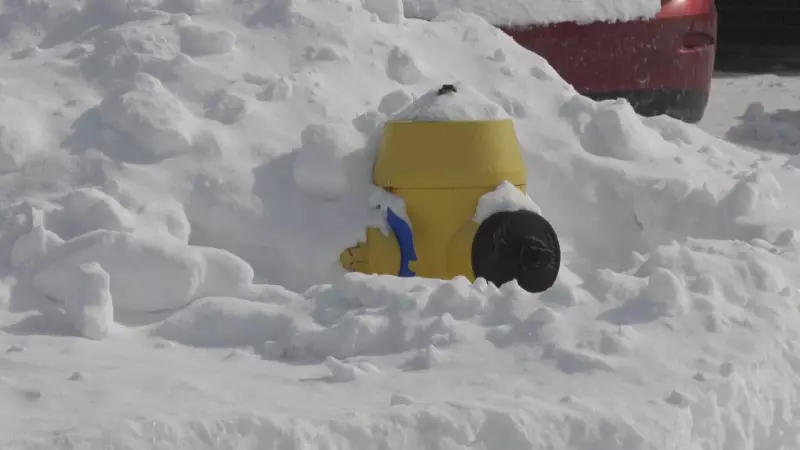
As winter storms blanket communities across Canada, a seemingly innocuous sight—a fire hydrant buried under snow—can become a serious public safety hazard. Fire hydrants obscured by snow accumulation present a significant risk, potentially delaying critical emergency response times during fire incidents. This issue highlights the importance of winter preparedness and community vigilance in maintaining accessible infrastructure.
Why Buried Hydrants Matter
Fire hydrants serve as essential water sources for firefighters during emergencies. When snow accumulation completely covers these vital fixtures, valuable minutes are lost as emergency crews must first locate and dig out the hydrant before connecting hoses. In fire situations, where every second counts, this delay can mean the difference between containing a small fire and facing a major blaze. The problem becomes particularly acute during heavy snowfall events when multiple hydrants in a neighborhood might be simultaneously buried.
Community Responsibility and Solutions
While municipal crews work to clear roads and sidewalks after winter storms, fire hydrants often become overlooked. Many communities rely on a combination of municipal efforts and citizen participation to keep hydrants accessible. Some municipalities have adopted "Adopt-a-Hydrant" programs where residents volunteer to clear snow from hydrants near their properties. This community-based approach not only improves emergency preparedness but also fosters neighborhood cooperation during challenging winter conditions.

Proper hydrant clearance involves creating a three-foot clearance around the entire hydrant, ensuring firefighters can access all connection points quickly. This space should extend from the hydrant outward in all directions, creating what safety officials call a "hydrant zone" that remains snow-free throughout the winter season.
Broader Winter Safety Context
The issue of buried fire hydrants exists within a larger framework of winter safety challenges across Canada. Recent weather patterns have brought:
- Record-breaking cold snaps in Saskatchewan communities
- Major snowfall events affecting transportation in Ontario
- School closures and transit disruptions throughout the GTHA
- Extreme winter conditions testing infrastructure nationwide
These weather events underscore the importance of comprehensive winter preparedness that includes not just road clearing, but attention to emergency infrastructure like fire hydrants. As climate patterns evolve, with some regions experiencing more extreme winter weather, maintaining accessible emergency resources becomes increasingly critical for community resilience.
Proactive Measures for Homeowners
Homeowners can take several steps to contribute to fire safety during winter months:
- Identify fire hydrants near your property and commit to keeping them clear
- Use brightly colored markers or flags to make hydrants more visible after snowfall
- Report completely buried hydrants to municipal authorities if unable to clear them personally
- Educate neighbors about the importance of hydrant accessibility
- Consider hydrant clearance as part of regular winter maintenance routines
By understanding the risks posed by snow-covered fire hydrants and taking proactive measures, communities can enhance their winter safety profile and ensure emergency responders have the access they need when seconds matter most.