Ottawa Councillor Advocates for New Wildlife Feeding Regulations
Councillor Laura Dudas of Orléans West-Innes is pushing for the establishment of a wildlife feeding bylaw in Ottawa, aiming to address gaps in the current animal care regulations. The existing Animal Care and Control Bylaw focuses on domestic animals but lacks specific provisions for feeding wildlife, particularly mammals. This initiative seeks to align Ottawa with other municipalities that have already implemented similar measures.
Risks of Feeding Wildlife
Dudas highlights several dangers associated with feeding wildlife. Animals that rely on human-provided food can become dependent, disrupting their natural foraging behaviors. This dependency increases the risk of disease transmission among animals and between animals and humans. Additionally, wildlife may lose their fear of humans, leading to more frequent and potentially dangerous encounters. Leftover food can also attract unwanted pests like rats and mice, exacerbating public health concerns.
Learning from Other Cities
Ottawa is currently an outlier among major municipalities, as cities like Toronto, Vaughan, Oakville, and Montreal have already enacted wildlife feeding bylaws. These regulations often include exemptions for activities such as bird feeding, fishing, research, and authorized wildlife control. For instance, Oakville's 2023 bylaw, integrated with maintenance and parks regulations, prohibits feeding wildlife except for songbirds and hummingbirds, with specific guidelines for bird feeder maintenance.

Toronto's 2023 bylaw goes further by banning the use of food to bait animals for photography, while allowing feeding of songbirds with clean feeders that don't attract other animals. It also permits feeding stray or feral cats, provided no food is left behind to lure wildlife. Enforcement in Toronto involves education and warnings initially, with potential charges for littering or property maintenance violations if issues persist.
Motivation Behind the Proposal
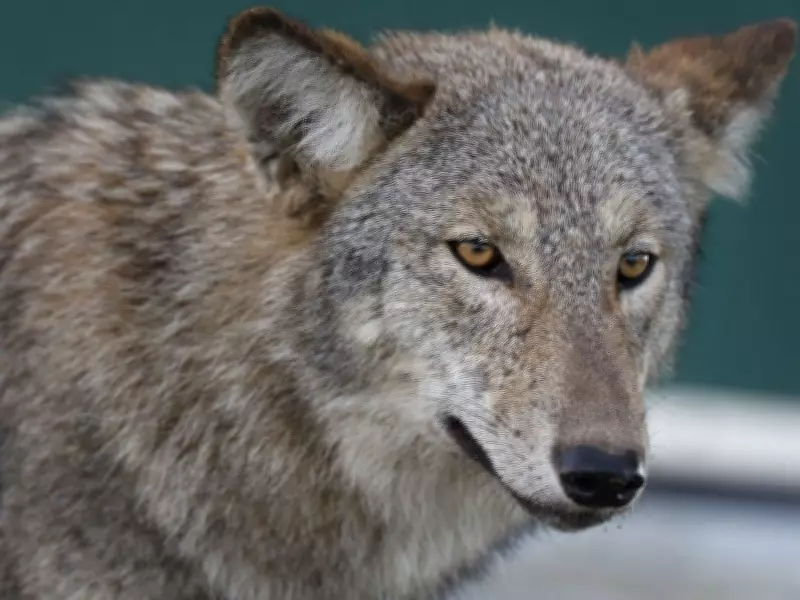
Dudas's office has received numerous complaints from residents about wildlife incidents, ranging from raccoons and skunks to coyotes and even bear sightings in western areas. A common thread in these cases is feeding, whether intentional or accidental, which draws animals into residential neighborhoods. This can lead to property damage, home invasions, and escalated conflicts requiring authorities to intervene, often resulting in harm to the animals.
Examples include unsecured green bins or people leaving out peanuts for chipmunks, unintentionally attracting larger predators like coyotes. Dudas emphasizes that while some residents mean well, their actions can have unintended consequences, putting both wildlife and communities at risk.
Next Steps and Community Impact
The proposal calls for city staff to develop either a standalone wildlife feeding bylaw or amendments to the existing animal care framework. This move aims to protect Ottawa's urban ecosystems and enhance public safety by reducing human-wildlife conflicts. As discussions progress, the focus will be on crafting regulations that balance conservation efforts with practical exemptions, ensuring a harmonious coexistence between residents and local fauna.