London Micro-Shelter Fire Likely Caused by Candle or Cigarette, City Officials Report
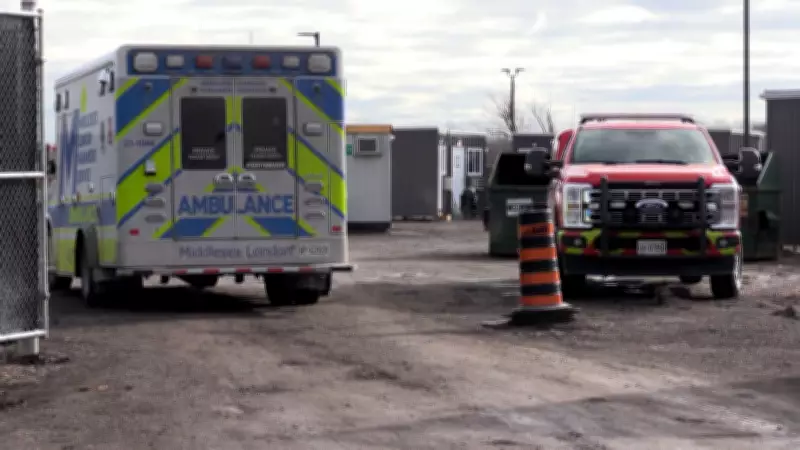
Emergency services were dispatched to a micro-shelter community on Cheese Factory Road in London, Ontario, on March 8, 2026, following a significant blaze that destroyed a building. City authorities have indicated that the fire was likely started by a candle or cigarette, highlighting potential safety concerns in such temporary housing setups.
Emergency Response and Scene Details
Firefighters and other first responders arrived promptly at the scene, where they worked to contain the flames and ensure the safety of residents. The incident underscores the vulnerabilities faced by individuals living in micro-shelters, which are often designed as compact, temporary solutions for homelessness. While no injuries were reported in this particular fire, the event has raised questions about fire prevention measures in these communities.
City's Statement and Safety Implications
In an official statement, London city officials emphasized that preliminary investigations point to a candle or cigarette as the probable cause of the fire. This revelation has sparked discussions about implementing stricter safety protocols, such as fire-resistant materials, smoke alarms, and educational programs on fire hazards for residents. Micro-shelters, while providing essential shelter, can pose unique risks due to their confined spaces and limited infrastructure.

The broader context of this incident includes ongoing efforts across Canada to address homelessness through innovative housing models. However, as this fire demonstrates, ensuring the safety and well-being of occupants must be a top priority. City planners and advocacy groups may need to collaborate more closely to develop guidelines that balance affordability with fire safety standards.
Community Impact and Future Considerations
Residents of the micro-shelter community have expressed concern over the incident, calling for enhanced safety measures to prevent future occurrences. Local organizations are likely to review their policies and consider upgrades, such as:
- Installing additional fire extinguishers and smoke detectors
- Conducting regular safety inspections
- Providing fire safety training for residents
- Exploring alternative heating and lighting options to reduce reliance on open flames
This fire serves as a stark reminder of the challenges in managing emergency responses in densely populated temporary housing. As cities like London continue to expand micro-shelter initiatives, integrating robust fire prevention strategies will be crucial to protecting vulnerable populations and preventing similar incidents in the future.