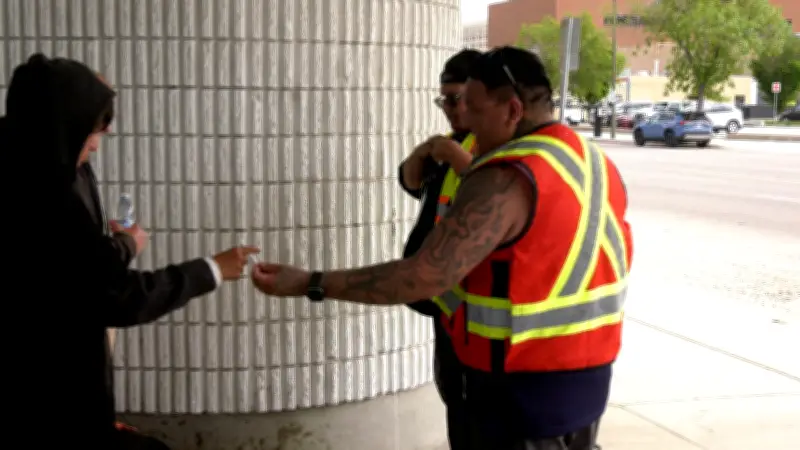
A new pilot project in Saskatoon is placing Indigenous support workers on the streets to provide culturally appropriate assistance to those in need. The initiative, which launched recently, aims to bridge gaps in social services by offering direct, community-based support from Indigenous individuals.
Community Outreach in Action
Indigenous Support Worker Chris Martell was observed offering tobacco to community members, a traditional gesture of respect and connection in many Indigenous cultures. This practice is part of a broader effort to build trust and rapport with vulnerable populations who may be hesitant to engage with mainstream services.
The project is a collaborative effort between local organizations and the city, designed to address issues such as homelessness, mental health, and addiction. By employing Indigenous workers, the program seeks to ensure that support is delivered in a manner that respects cultural traditions and values.

Goals and Impact
Key objectives of the pilot project include reducing barriers to accessing social services, improving outcomes for Indigenous people, and fostering a sense of community ownership over wellness initiatives. Early reports indicate positive responses from those who have interacted with the support workers.
Support workers like Martell are trained to provide crisis intervention, referrals to housing and health services, and emotional support. Their presence on the streets is intended to complement existing services and reach individuals who may otherwise fall through the cracks.
The project is being closely monitored to assess its effectiveness and potential for expansion to other areas in Saskatchewan. If successful, it could serve as a model for other communities seeking to implement culturally grounded support systems.