Recent data reveals intriguing patterns in coyote sightings across Ottawa, highlighting the complex relationship between urban development and wildlife presence. While overall reports showed a slight decrease in 2025, specific areas like Kanata North experienced significant activity, particularly during the winter months.
Kanata North Emerges as Winter Hotspot
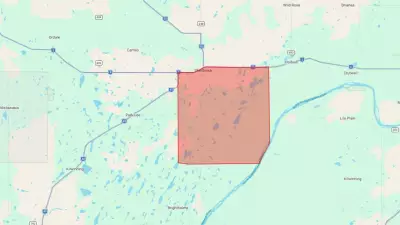
Between January 1 and February 18, 2026, the Kanata North area south of the Renfrew rail corridor recorded 185 coyote sightings reported to city authorities. This represents a substantial increase from the 124 reports during the same period in 2025, making this region a notable focal point for wildlife activity.
Dom Ferland, Ottawa's wildlife resource co-ordinator, emphasizes that increased sightings don't necessarily indicate a growing coyote population. "The same coyotes may have been reported multiple times," Ferland explains. "We have instances where coyotes living on the Experimental Farm choose to remain in a particular field for two weeks, generating dozens of reports without any actual increase in their numbers."

Understanding Coyote Behavior in Urban Spaces
Ferland recently conducted a tour of a stormwater management area in Kanata that has become a notable location for coyote encounters. Bordered by new high-rise buildings to the north and within earshot of Highway 417 to the south, this carefully maintained space features manicured pathways popular with dog-walkers.
"There's enough green space along the highway for travel, and then they can access larger fields owned by the NCC just to the east," says Ferland, who brings nearly a decade of experience with the Ontario Ministry of Natural Resources and holds a Master of Science degree in animal ecology and behavior.
"This is exactly the type of location where human-coyote encounters can occur. While coyotes aren't constantly present here, we're working to increase resident awareness about potential encounters and effective measures to avoid attracting them unnecessarily."
Ottawa's Evolving Wildlife Strategy
The city's approach to wildlife management has evolved significantly in recent years. In 2022, Ottawa faced controversy when three "highly habituated" coyotes were trapped and euthanized following numerous sightings in Riverside Park South, including reports of a coyote in a school playground and another taking a small dog. This incident prompted strong reactions from wildlife advocates.
In response, city councillors approved a new wildlife strategy in 2024—the first comprehensive update since 2013. This revised framework emerged from a thorough review of how Ottawa could better manage human-wildlife interactions in urban environments.
The Philosophy of Coexistence
Central to Ottawa's updated wildlife strategy is the concept of "coexistence" with urban wildlife. Ferland clarifies that this approach doesn't require residents to develop affection for all wildlife species or establish close relationships with them. Most importantly, it absolutely does not involve feeding wild animals.
"Coexistence means understanding that we share urban spaces with wildlife and learning how to minimize conflicts through informed behavior and proper management practices," Ferland states.
The wildlife co-ordinator's insights come at a time when understanding urban ecology has become increasingly important for city residents. As Ottawa continues to develop and expand, maintaining balanced relationships with native wildlife species remains an ongoing challenge requiring both scientific understanding and community cooperation.