Calgary Launches Major Initiative to Distribute 10,000 Free Trees
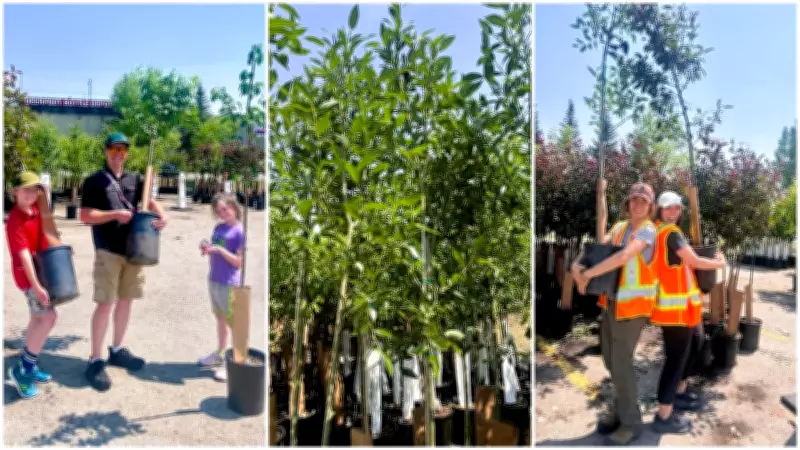
The City of Calgary has unveiled an ambitious environmental program aimed at significantly boosting its urban forest. Dubbed Branching Out, this initiative will provide 10,000 free trees to residents, encouraging community participation in greening efforts and enhancing the city's canopy cover.
Enhancing Urban Green Spaces and Combating Climate Change
This program is designed to address multiple environmental challenges. By increasing tree coverage, Calgary aims to improve air quality, reduce urban heat island effects, and support biodiversity. Trees play a crucial role in absorbing carbon dioxide, making this a key strategy in the city's broader climate action plan. Officials emphasize that expanding the urban canopy can help mitigate the impacts of extreme weather events, which are becoming more frequent due to climate change.
How the Branching Out Program Works
Residents can apply to receive free trees through a simple registration process. The city will distribute a variety of native species suitable for Calgary's climate, ensuring high survival rates and minimal maintenance. Participants are encouraged to plant trees in their yards, community spaces, or along streets to maximize the benefits. The program includes educational resources on proper planting techniques and tree care, fostering long-term stewardship among citizens.

Community Engagement and Long-Term Goals
The Branching Out initiative is part of a larger effort to engage the public in sustainability projects. By involving residents directly, the city hopes to build a sense of ownership and pride in local green infrastructure. Long-term goals include increasing Calgary's overall tree canopy by a significant percentage over the next decade, aligning with global urban forestry standards. This move follows similar successful programs in other Canadian cities, highlighting a growing trend toward community-driven environmental action.
With this launch, Calgary sets a precedent for municipal leadership in urban ecology, demonstrating how local governments can empower citizens to contribute to a healthier, more resilient environment.