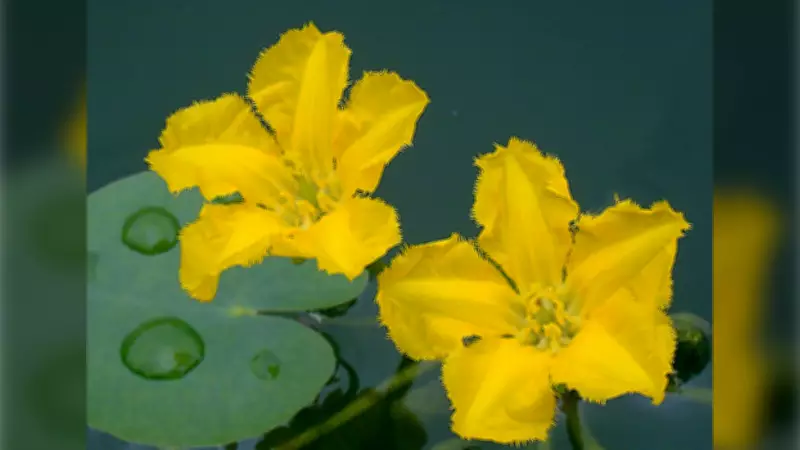
The Nova Scotia government has announced plans to apply herbicide to a lake in Dartmouth to control the spread of an invasive plant species known as yellow floating heart. The decision comes after years of monitoring and efforts to manage the plant, which can outcompete native vegetation and disrupt aquatic ecosystems.
Details of the Plan
According to officials, the herbicide treatment will target specific areas of the lake where yellow floating heart has established dense mats. The application is scheduled for late May, pending weather conditions, and will be carried out by licensed professionals using approved products. The province emphasizes that the herbicide is safe for humans and pets when used as directed, and that water quality will be monitored throughout the process.
Environmental Impact
Yellow floating heart, native to Europe and Asia, was first detected in the lake several years ago. Since then, it has spread rapidly, threatening biodiversity and recreational use. The plant forms thick carpets on the water surface, blocking sunlight and reducing oxygen levels, which can harm fish and other aquatic life. The herbicide treatment is considered a necessary step to prevent further ecological damage.

Community Response
Local residents and environmental groups have expressed mixed reactions. Some support the measure as a way to protect the lake, while others worry about potential side effects of chemical use. The province has pledged to hold public information sessions and provide updates on the treatment's progress.
Long-Term Management
Officials note that herbicide application alone is not a permanent solution. Future plans include manual removal, public education to prevent spread, and ongoing surveillance. The goal is to restore the lake's natural balance and ensure it remains a healthy habitat for wildlife and a resource for the community.