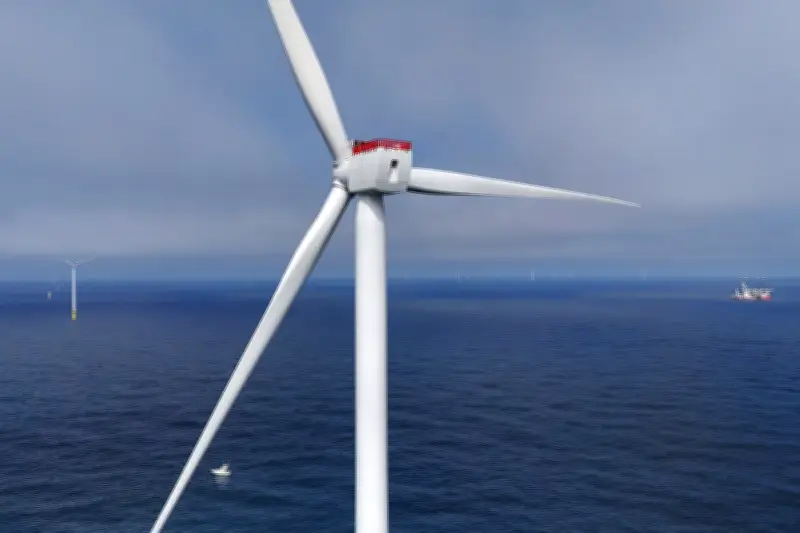
Canada’s first offshore wind farms have taken a significant step forward after the country’s energy regulator cleared bidders for two proposed projects off the coast of Nova Scotia. The Canada-Nova Scotia Offshore Energy Regulator announced on June 27, 2026, that it has approved several companies to move ahead in the bidding process for the development of offshore wind energy in the region.
Regulator Approves Bidders for Offshore Wind Projects
The regulator confirmed that multiple bidders have been pre-qualified to participate in the upcoming auction for two offshore wind farm sites. This approval is a crucial milestone for the nascent industry in Canada, which has lagged behind other countries in harnessing offshore wind power. The projects are expected to generate significant renewable energy, contributing to Nova Scotia’s goal of achieving 80% renewable electricity by 2030.
According to the regulator, the pre-qualified bidders include both domestic and international energy companies. The specific names of the bidders have not been disclosed at this stage. The next phase will involve a competitive auction process, with the winning bids expected to be announced later this year.

Economic and Environmental Impact
The development of offshore wind farms is projected to bring substantial economic benefits to Nova Scotia. The provincial energy minister stated, “We’re looking to increase our GDP with these projects. Offshore wind will create jobs, attract investment, and position Nova Scotia as a leader in renewable energy in Canada.” The projects are also expected to reduce greenhouse gas emissions by displacing fossil fuel-based electricity generation.
Environmental groups have welcomed the progress but emphasize the need for careful planning to minimize impacts on marine ecosystems. The regulator has committed to conducting environmental assessments and engaging with Indigenous communities and local stakeholders throughout the process.
Challenges Ahead
Despite the regulatory clearance, challenges remain. The offshore wind industry in Canada faces high costs, infrastructure requirements, and competition from other energy sources. The success of these pilot projects could pave the way for larger-scale developments in the Atlantic region. The Canadian government has set a target of achieving net-zero emissions by 2050, and offshore wind is expected to play a key role in meeting that goal.