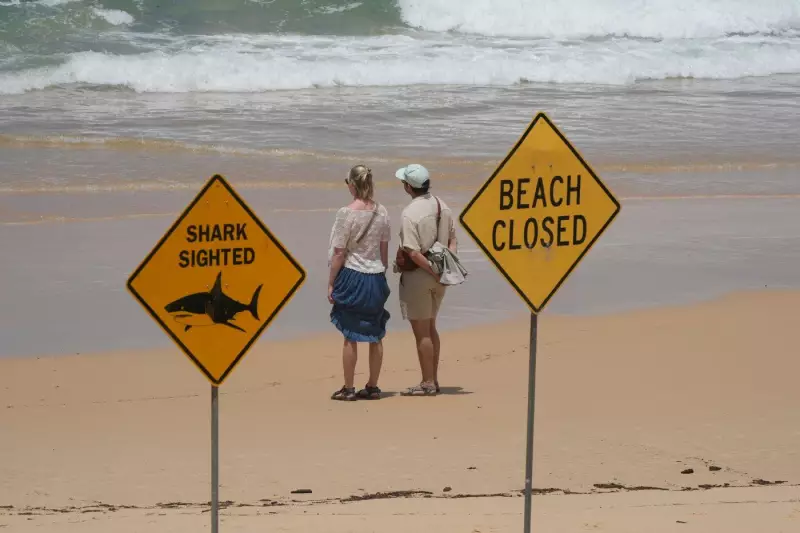
A surfer has been bitten in the fourth shark attack recorded off Australia's populous east coast in just three days, according to reports from The Associated Press. The incident, which occurred on Tuesday, January 20, 2026, has heightened concerns among beachgoers and prompted increased vigilance from lifeguards and authorities.
A Cluster of Incidents Raises Alarm
The latest attack contributes to an alarming cluster of encounters between sharks and humans in a short timeframe. While specific details of the most recent victim's condition were not immediately disclosed, the pattern has sparked urgent discussions about marine safety. The attacks have all occurred along the eastern seaboard, a region famous for its surfing culture and beautiful beaches, including areas near Sydney.
Photographs from North Steyne Beach in Sydney on Tuesday captured a couple looking warily out to sea, illustrating the palpable tension following the series of incidents. The beachscape, typically bustling with activity, has become a focal point for renewed warnings and public anxiety.

Response and Ongoing Safety Measures
Local marine and emergency services are undoubtedly reinforcing safety protocols in response to this spike in activity. Common measures in such situations often include increased aerial surveillance, beach closures, and public advisories urging swimmers and surfers to exercise extreme caution. Authorities typically investigate whether environmental factors, such as baitfish movements or warmer water temperatures, could be influencing shark behavior closer to shore.
Shark attacks, while statistically rare, can have a profound impact on coastal communities and tourism. This rapid succession of events is unusual and is being treated with the utmost seriousness by Australian officials. The focus remains on preventing further incidents while scientists work to understand the drivers behind this concentrated period of activity.
A Global Context for Coastal Canadians
For Canadians, especially those with travel plans or an interest in marine environments, this news serves as a stark reminder of the importance of heeding local safety guidelines at beaches worldwide. While Canada's coastal waters have different marine life, the principles of situational awareness and respecting wildlife habitats are universal. This incident underscores the unpredictable nature of wild animals and the critical need for informed coexistence.
The coming days will be crucial for monitoring the situation along Australia's east coast. Updates on the surfer's condition and any official statements from marine authorities are awaited. For now, the message is clear: vigilance is paramount in and around the ocean.