Parks Canada Announces New Water Activity Zones and Restrictions in Mountain National Parks
Parks Canada has unveiled a comprehensive set of new restrictions on water-based recreation across mountain national parks in Alberta and British Columbia. This initiative forms a critical part of a broader strategy to prevent the spread of aquatic invasive species and safeguard the ecological integrity of rivers and lakes within Canada's cherished national parks.
New Rules Target Specific Waterways Starting This Spring
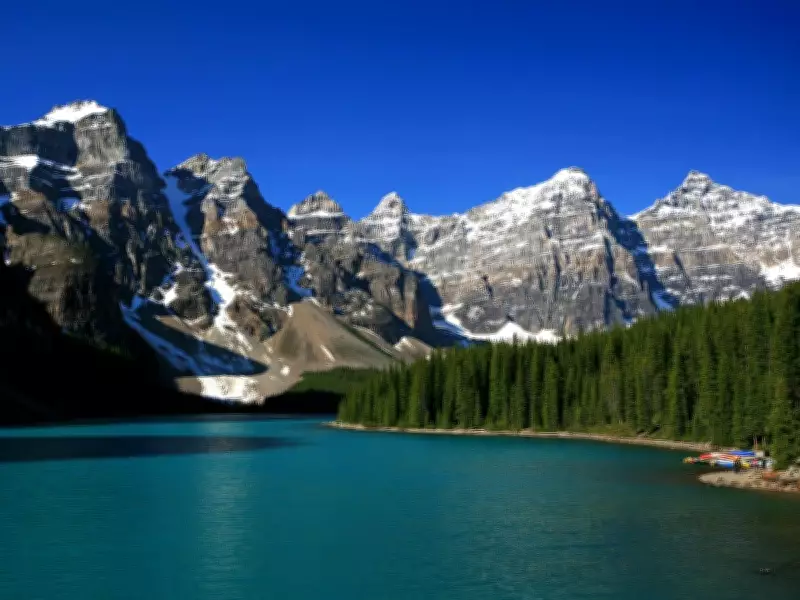
Beginning this spring, the national parks authority will implement new water activity zones with associated use restrictions for numerous lakes and rivers throughout the mountain parks. Among the most significant changes are outright bans on paddling and the use of large inflatables on Bow Lake and Moraine Lake within Banff National Park. These iconic bodies of water will see recreational activities curtailed to protect their delicate ecosystems.
Response to Whirling Disease Detection in Lake Louise
The new measures are a direct response to the detection of whirling disease in Lake Louise in 2025. Whirling disease is a severe infectious condition that can devastate fish populations, particularly affecting trout, whitefish, and salmon. Parks Canada officials have noted that mortality rates among young fish can reach as high as 90 percent in some outbreaks. Importantly, the disease poses no risk to humans or other mammals.

"It is unlikely that whirling disease was spread to Lake Louise through natural fish movement, because there is a natural fish barrier between Lake Louise and the Bow River," explained Francois Masse, Parks Canada field unit superintendent for Lake Louise, Yoho and Kootenay, during a recent press conference. "It is most likely whirling disease was introduced by mud or water on a watercraft or angling equipment."
Three-Tiered Water Activity Zone System
To strengthen protections, Parks Canada is rolling out a coordinated prevention strategy across the mountain national parks. Under the new framework, lakes and rivers in Banff, Jasper, Waterton, Kootenay, and Yoho National Parks will be categorized into three distinct types of water activity zones:
- Water Recreation Zones: These areas will continue to allow recreational use but with enhanced safeguards. Examples include the Bow River downstream of Hector Lake, Lake Louise, and Cascade Ponds. Visitors planning water activities in these zones must ensure their watercraft and equipment are thoroughly cleaned, drained, and dried. Additionally, they must carry a self-certification permit.
- Water Preservation Zones: This category includes ecologically sensitive bodies of water or areas with historically limited recreational use. Bow Lake, Moraine Lake, and any other waterbody not specifically listed under another zone fall into this category. Activities such as paddling, motor boating, fishing with waders or wading boots, and the use of large inflatables are strictly prohibited here.
- Additional zones may be defined as part of the ongoing management strategy to balance recreation with conservation.
Balancing Recreation with Conservation Imperatives
Parks Canada emphasizes that preventing the spread of aquatic invasive species is the most effective method to protect the lakes and rivers within national parks. While water-based recreational activities attract thousands of visitors annually to the mountain national parks, they also inadvertently increase the risk of introducing and spreading invasive species. The new zoning system aims to mitigate these risks while still permitting responsible recreation in designated areas.
The authority has stated that these restrictions are essential for the long-term health of aquatic ecosystems. By implementing clear zones and rules, Parks Canada hopes to educate visitors and reduce the human-mediated transmission of pathogens like whirling disease, ensuring that these natural treasures remain vibrant for future generations.