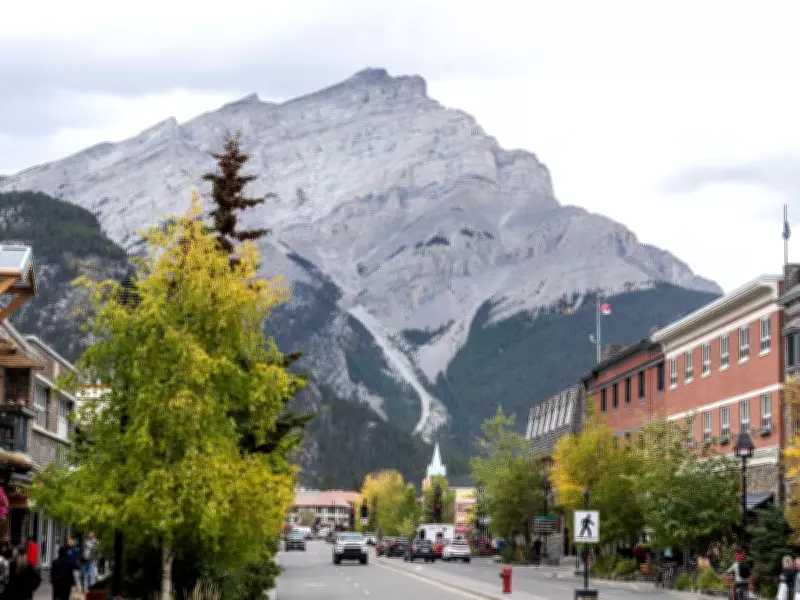
Parks Canada has unveiled a new initiative to tackle persistent traffic and parking issues in one of Banff National Park's most frequented areas. Starting this spring, visitors to the Sulphur Mountain region will be required to pay for parking as part of a three-year pilot program aimed at managing overcrowding during peak seasons.
Details of the Paid Parking Pilot
The paid parking trial is scheduled to run from May 15 to October 12, 2026, with fees applicable daily from 9 a.m. to 9 p.m. Each vehicle will incur a cost of $17.50 per day, in addition to the mandatory valid national park pass. This fee applies to both the upper and lower parking lots managed by Parks Canada.
Payment can be made conveniently at on-site machines, and visitors are not required to display proof of purchase on their dashboards. However, failure to pay may result in a Notice of Parking Violation, which must be settled at the parking lot payment machines. The exact fine amount has not been disclosed by Parks Canada.

Goals and Community Response
According to Parks Canada, the primary objective of this pilot is to alleviate significant traffic congestion and parking challenges that have plagued the Sulphur Mountain area during high-visitation periods. The agency emphasized its commitment to managing the influx of visitors in popular sections of Banff National Park.
Revenue generated from the paid parking will be directed toward supporting public transit services within the area and across the national park. Parks Canada is actively encouraging visitors to utilize transit options, describing it as the best way to access Sulphur Mountain and reduce vehicular traffic.
Banff Mayor Corrie DiManno expressed support for the trial, highlighting the town's ongoing efforts to mitigate summer traffic jams. "The reality is the past couple of summers we have more and more vehicles coming into town. It makes our work to try and reduce traffic jams that much harder," DiManno stated. She hopes the paid parking will incentivize visitors to opt for transit from town rather than driving personal vehicles to the attraction.
"This is a great start with the paid parking trial if it motivates people to make different choices," DiManno added. "I'll be really curious to learn if this measure helps to reduce traffic jams on our road network."
Broader Implications and Future Outlook
The introduction of paid parking at Sulphur Mountain marks a strategic move by Parks Canada to balance tourism with environmental and logistical sustainability. By discouraging excessive car use, the pilot aims to enhance visitor experience while preserving the natural integrity of Banff National Park.
As the trial progresses, officials will monitor its effectiveness in reducing congestion and improving transit utilization. This initiative reflects a growing trend in national parks to implement managed access solutions to address overcrowding and environmental pressures.