In 2026, it remains astonishing that some individuals still deny the reality of global warming, despite overwhelming evidence of its profound effects on our planet. This persistent skepticism contrasts sharply with the tangible impacts being felt worldwide, from shifting weather patterns to economic disruptions.
The Political Landscape and Arctic Ambitions
Former U.S. President Donald Trump famously dismissed climate change as a hoax, leading to the dismantling or defunding of federal agencies that advocated for environmental protection. Ironically, his administration pursued efforts to acquire Greenland, aiming to bolster U.S. control over the Arctic region. This move highlights the geopolitical scramble for dominance in areas becoming more accessible as the polar ice cap melts due to global warming, with other world powers competing for newly opening shipping lanes.
Local Weather Whiplash in Calgary
Closer to home, Calgarians experienced a stark example of climate volatility earlier this year. From mid-January to mid-February, residents enjoyed unseasonably warm weather, with temperatures so mild that T-shirts were sufficient. However, this pleasant interlude was abruptly shattered on February 16, when winter roared back with a vengeance, illustrating the unpredictable nature of our changing climate.

Understanding the Planetary System
Our warming planet can be likened to a pot on a hot stove, where rising temperatures inject more energy into the system. In the pot, this results in swirling water and rising bubbles. For Earth, it translates into more frequent and severe extreme weather events, disrupting ecosystems and human activities alike.
Expert Insights from Alberta
Over two years ago, retired Alberta biologist Lorne Fitch emphasized in the Western Producer that climate change is not a distant future threat but a present reality. He pointed to declining river flows, persistent drought, increased temperatures, heat domes, greater evaporation, and more intense weather events as clear indicators that our world has fundamentally changed.
Shortly after Fitch's column was published, a gathering of 50 farmers and ranchers in the foothills west of Claresholm, at the Spring Point Community Hall, discussed water issues. When questioned about climate change effects, Dixon Hammond, founder of a local watershed group, succinctly captured the situation: "Our wets are getting wetter, and our drys are getting drier." This observation underscores the increased volatility in precipitation patterns that challenges agricultural sustainability.
Volatility: A Double-Edged Sword
While volatility might benefit stock traders, it poses significant risks for farmers and ranchers. Fluctuations in rainfall or winter snowpack can devastate crops and livestock, threatening food security and livelihoods. This instability is not confined to Alberta; it is a global phenomenon with far-reaching consequences.
Weather Extremes Across Canada
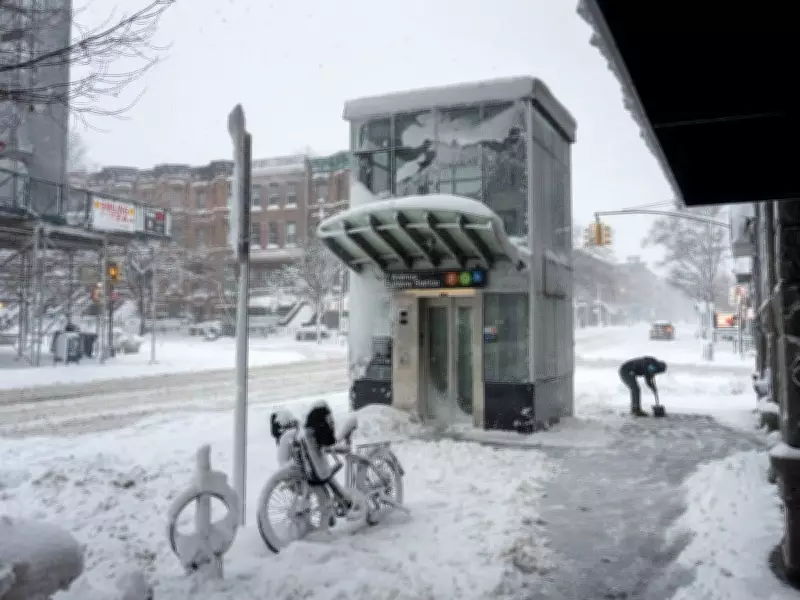
Currently, Ontario is grappling with weather whiplash, as temperatures rapidly climb after weeks of brutal cold, melting snow and raising flood risks in southern regions. This scenario echoes the 2013 southern Alberta floods, which resulted from heavy rain melting a substantial snowpack in the mountains and foothills, leading to five fatalities and the displacement of 100,000 people.
Wildfires and Health Impacts
Climate change also exacerbates conditions conducive to wildfires, lengthening fire seasons and enabling fires to ignite more easily, burn hotter, and spread faster. In recent years, millions of Albertans have had to limit summer activities due to unhealthy wildfire smoke, highlighting the direct health and lifestyle impacts of environmental changes.
Global Economic Ripple Effects
The repercussions extend far beyond North America. Coffee producers in countries like Brazil, Colombia, Ethiopia, Indonesia, and Vietnam are experiencing wild swings in temperature and rainfall, disrupting steady heat and predictable rainfall essential for cultivation. Canadian coffee drinkers are already facing price increases reflecting these production challenges, and such economic pressures are expected to continue as climate change intensifies.

In summary, the evidence of climate change is undeniable, manifesting in extreme weather, agricultural volatility, and global economic shifts. It is imperative that society moves beyond denial and takes concerted action to address these pressing environmental issues.