Toronto Rally to Assess Backing for Iran's Fallen Leader in Ongoing Conflict
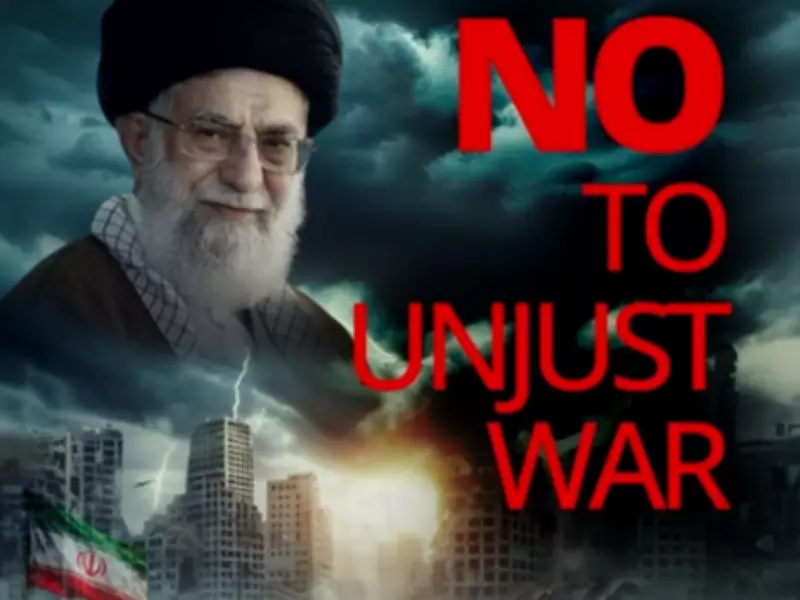
This weekend, Toronto will serve as a critical barometer for gauging Canadian perspectives on the recent U.S.-Israeli military actions in Iran and the legacy of the late Ayatollah Ali Khamenei. A protest, organized under the banner "No to Unjust War," is scheduled for Saturday, March 7, 2026, at the U.S. Consulate on 361 University Avenue. The event, endorsed by groups including the Muslim Community of GTA and the Iranian Canadian Congress, aims to mourn Khamenei's death and oppose the strikes that eliminated him.
Police Preparedness and Public Safety Concerns
Toronto Police have confirmed their awareness of the demonstration, with spokesperson Amy Davey stating that officers will be present to ensure public safety. This comes amid heightened tensions, following recent incidents such as attacks on a synagogue, Jewish-owned restaurants, and an Iranian Canadian-owned boxing gym in the city. The police face a significant challenge in managing potential clashes between opposing groups, with B’nai Brith Canada’s CEO Simon Wolle urging authorities to prevent the platforming of what he describes as the regime’s "diabolical ideology."
Divergent Views and Political Implications
The rally has sparked intense debate, reflecting broader divisions within Canada. On one side, supporters of the protest argue against the U.S.-Israeli strikes, with federal NDP leadership candidate Avi Lewis noting that nearly half of Canadians, including majorities of NDP and Liberal voters, oppose the military action. On the other side, critics like Michael Westcott of Allies for a Strong Canada condemn any celebration of Khamenei, highlighting the regime’s history of violence and repression. Prime Minister Carney’s ambiguous stance—initially supporting the strikes, then calling them a violation of international law—adds to the political complexity.

Community Reactions and Historical Context
Local mosques, such as the Masumeen Islamic Centre in Brampton and Masjid Madina tul ILM in Scarborough, have held martyr services for Khamenei, as documented on social media by groups like Canadian Defenders 4 Human Rights. These actions contrast sharply with the anti-regime rallies previously organized by the Iranian diaspora, which drew tens of thousands of participants. The upcoming protest will test whether similar large-scale support exists for the ayatollah’s legacy or if turnout remains limited, potentially signaling waning influence.
As Toronto braces for this event, the outcomes could shape public discourse on international conflicts and domestic security. With media and observers poised to scrutinize the rally’s size and message, the weekend promises to reveal deeper insights into where Canadians stand on issues of war, ideology, and global solidarity.