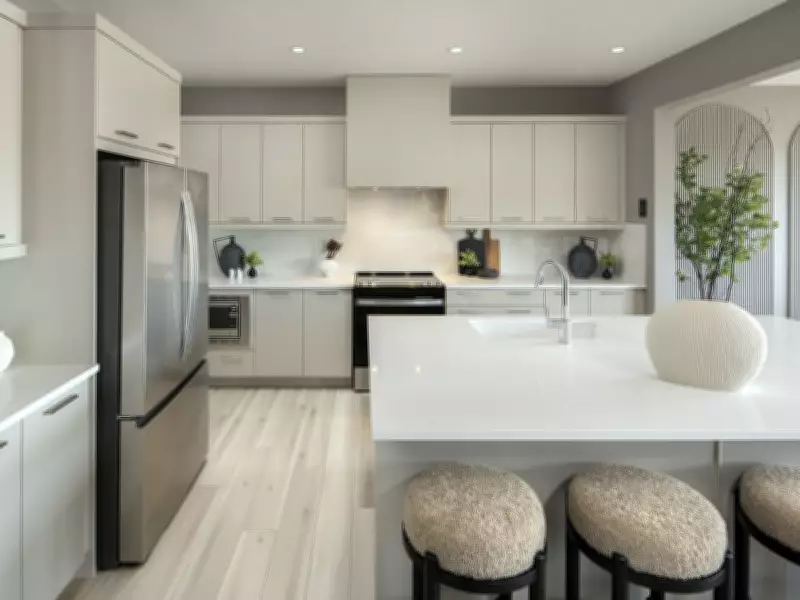
When it comes to modern home design, sustainability has evolved into a comprehensive approach that touches every aspect of construction and living. From the exterior structure and energy systems to interior materials and decor, each sustainable choice contributes to a larger environmental impact. This holistic perspective is reshaping how homes are built and lived in across Canada.
The Core Principles of Sustainable Design
Sustainable home design encompasses a wide range of practices aimed at reducing resource consumption and minimizing environmental footprint. Key elements include clever sourcing of materials, finishes, and furnishings, constructing durable homes that stand the test of time, enhancing energy efficiency, and integrating renewable energy sources. All these components work together to create residences that are both environmentally responsible and economically viable.
Jayman Built's Leadership in Green Certification
Dave Krasman, director of corporate purchasing at Jayman Built, emphasizes that sustainability fundamentally involves using fewer resources to extend their lifespan, thereby reducing carbon emissions. As a pioneer in the sustainability movement since becoming the founding member of Built Green Canada in 2003, Jayman Built ensures all its homes meet or exceed Built Green's gold standard for energy efficiency.

"All Jayman Homes achieve Built Green Gold certification or higher," Krasman explains. "This means our homes are certified to use less energy, incorporate sustainable materials, minimize waste through recycled components, and prioritize locally sourced products whenever possible."
Healthy indoor air quality remains a top priority, alongside significant energy consumption reductions achieved through trademarked wall systems, triple-paned windows, enhanced insulation, and included solar panels. These features collectively reduce reliance on the electrical grid and cut greenhouse gas emissions by an impressive 58 percent compared to standard code-built homes.
Navigating Building Code Challenges
The trend toward sustainability is increasingly becoming the norm, with building codes evolving to meet the 2030 target for adopting a Net Zero Energy Ready (NZER) standard. However, Krasman notes that this target, which he refers to as Tier 4, presents feasibility challenges for many builders in Alberta.
"In 2026, most builders are operating at Tier 1 to Tier 2 Energy Code levels," he observes. The primary barrier to achieving higher tiers is consumer acceptance of the substantial costs involved, particularly when affordability is already a pressing concern for many homeowners.
Flexible Pathways to Net Zero
To address these challenges, Jayman Built has implemented a strategic approach adopted by several other sustainable builders: offering multiple options on the pathway to net zero. These include net-zero ready and net-zero certified choices, with Jayman's standard option currently at Tier 3.
"These advanced options are less frequently chosen by Albertans due to their associated costs," Krasman acknowledges. Nevertheless, Jayman's standard technology and deeper greening initiatives already result in homes that use 45 percent less energy annually compared to typical Alberta code-built residences.
Beyond Energy: Building Resilience
In addition to net-zero initiatives, there is growing emphasis on enhancing homes' capacity to adapt to, anticipate, mitigate, withstand, and recover from natural disasters. This focus on resilience is becoming increasingly important as extreme weather events become more frequent.
Avalon Master Builder's Innovative Pilot Project
Calgary-based Avalon Master Builder, renowned for its advanced sustainability protocols, is leading a test pilot project in collaboration with the Resilient Homes Task Force. This national initiative is spearheaded by the Institute for Catastrophic Loss Reduction and the Canadian Home Builders' Association.
The task force brings together experts from insurance, research, and homebuilding sectors to develop evidence-based solutions that make homes across Canada more resistant to extreme weather. This collaborative effort represents a significant step forward in integrating disaster resilience into sustainable home design.

The Future of Sustainable Living
As sustainability continues to gain momentum in the homebuilding industry, the integration of energy efficiency, material sustainability, and climate resilience will define the next generation of residential construction. Builders like Jayman Built and Avalon Master Builder are setting benchmarks that demonstrate how environmental responsibility can be seamlessly incorporated into beautiful, functional, and affordable homes.
The journey toward sustainable living is not just about individual choices but about systemic changes that prioritize long-term environmental health without compromising quality of life. With continued innovation and consumer education, sustainable home design promises to become the standard rather than the exception, creating healthier living spaces and a more sustainable future for all.