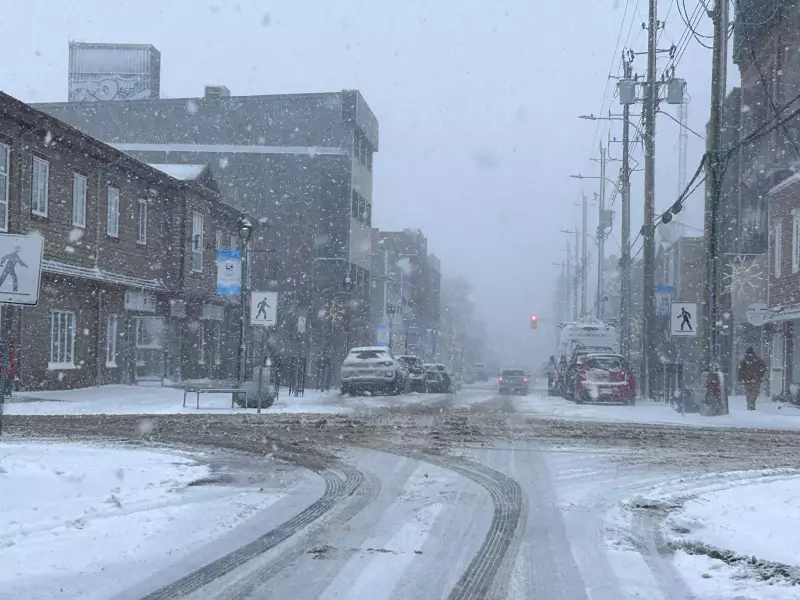
The first day of 2026 is arriving with a significant blast of winter weather for Canada's Maritime provinces. A powerful storm system is moving through the region, packing a mix of heavy snow, ice pellets, and rain, creating hazardous conditions for residents and travelers alike.
Storm Details and Expected Impacts
Meteorologist Kalin Mitchell provided details on the timing and expected impacts of this multi-faceted storm. The system, which began its approach on December 31, 2025, is delivering a messy combination of precipitation types across Nova Scotia, New Brunswick, and Prince Edward Island.
The precipitation began as snow for many areas, with significant accumulations possible, especially in northern and western regions. As milder air pushes in from the south, a changeover to ice pellets and then rain is expected for coastal areas and parts of Nova Scotia. This transition zone creates a high risk for slippery conditions and potential freezing rain.

Travel Disruptions and Safety Concerns
The mixed precipitation presents major challenges for road maintenance and travel safety. Rapidly changing conditions can lead to "near zero visibility" at times, similar to fog events recently seen in Metro Vancouver. Drivers are urged to exercise extreme caution, consider postponing non-essential travel, and be prepared for sudden changes in road surfaces.
The storm's timing, coinciding with New Year's Eve celebrations, has already prompted some municipalities to alter plans. For instance, the city of Barrie, Ontario, cancelled its official NYE celebrations due to severe winter weather in that region, highlighting the broader pattern of disruptive conditions across parts of the country.
Broader Pattern of Winter Weather
This Maritime storm is not an isolated event. Environment Canada has warned that winter storms are set to continue hammering parts of Ontario and Quebec as well. The national forecast for New Year's Eve indicated several Canadian cities were bracing for a blast of winter, from snow squalls continuing across regions with road closures remaining in effect, to serious crashes like one in Kawartha Lakes that required a patient to be airlifted.
Residents in the storm's path are advised to monitor local forecasts closely, prepare for possible power outages from ice accumulation, and adjust their New Year's travel plans accordingly. The storm serves as a potent reminder that winter is firmly in control as the calendar turns to a new year.