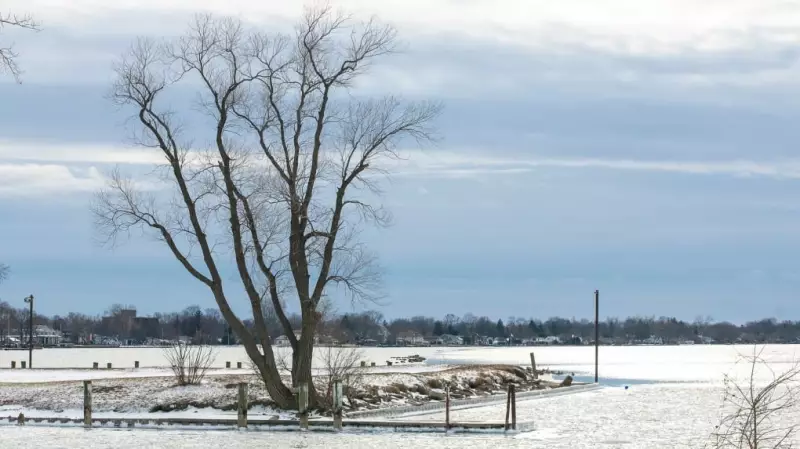
A relentless winter grip continues to hold Windsor-Essex in its clutches as the region welcomes 2026 with biting cold, scattered flurries, and punishing wind chills. The cold snap, which has defined the holiday period, shows no immediate signs of relenting, according to local observations and broader weather advisories affecting much of the nation.
A Frigid Start to the New Year
Residents of Windsor and the surrounding Essex County woke up on Thursday, January 1, 2026, to another day of severe winter conditions. The primary concerns are the dangerously low temperatures being exacerbated by significant wind chill values, making it feel considerably colder than the actual thermometer readings. This pattern is part of a larger system that has triggered weather alerts across a dozen Canadian provinces and territories, ranging from blizzards and extreme cold to dense fog.
The local experience mirrors warnings for southwestern Ontario, which include snow squall warnings and road closures in neighbouring areas. While Windsor-Essex contends with flurries, other parts of the province have faced more extreme events, such as a massive snowstorm prompting a "big dig" in northern Ontario and a fatal highway crash in Mississauga linked to treacherous conditions.

Broader Context of a Nation in Winter's Grip
The situation in Windsor-Essex is not isolated. Nationally, Environment and Climate Change Canada has issued a swath of advisories. From coast to coast, Canadians are navigating a complex and hazardous winter landscape. In British Columbia, the Lake Louise Ski Resort is celebrating record snowfall, while avalanche dangers have turned tragic in the northeast of the province. Meanwhile, cities like Ottawa and Barrie have adjusted New Year's celebrations and services due to the severe weather, with Barrie's CAA reporting record call volumes for roadside assistance.
This widespread winter blast underscores the variability and potency of Canadian winters. While some areas grapple with paralyzing snow, others, like Windsor, face the penetrating cold of wind-driven chills that pose serious risks of frostbite and hypothermia for anyone exposed for too long.
Staying Safe During the Deep Freeze
With the cold snap expected to persist, officials urge residents to take precautions. Key recommendations include:
- Limiting time outdoors, especially during early morning and evening hours when wind chills are often most severe.
- Dressing in multiple layers of clothing, including a wind-resistant outer layer, and covering all exposed skin.
- Being aware of the symptoms of frostbite and hypothermia.
- Checking on vulnerable neighbours, seniors, and those without adequate shelter.
- Ensuring pets are brought indoors and vehicles are prepared for cold-weather emergencies.
The extended cold also places strain on infrastructure and services, from public transit to energy grids. Residents are advised to stay informed through local forecasts for Windsor-Essex and heed any updated warnings from authorities. As the new year begins, the message across Ontario and Canada is clear: winter demands respect and preparedness.