A seismic swarm greeted the new year in a remote northern region, as three separate earthquakes rattled the border area between Alaska and Canada's Yukon territory within minutes of each other just before January 1, 2026.
Details of the Seismic Sequence
The tremors occurred in quick succession, originating in a sparsely populated area known for its rugged terrain. While the exact magnitudes and precise epicenters were detailed in the initial report from The Canadian Press, the event underscores the active seismic nature of the northern Cordillera region. This area, where the Pacific and North American tectonic plates interact, is no stranger to such activity, though a triple event in a short timeframe is notable.
Regional Context and Preparedness
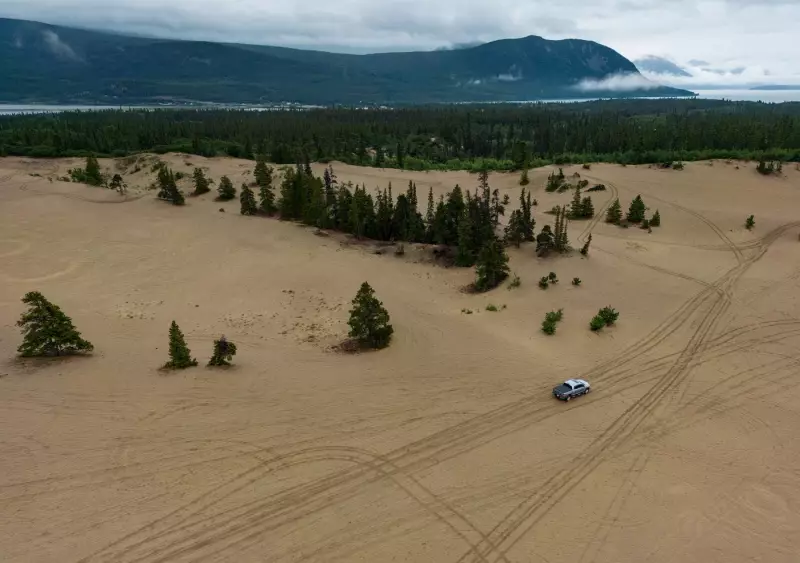
The quakes struck near the iconic Carcross Dunes, a popular destination in the Yukon. Fortunately, due to the remote location and timing, there were no immediate reports of damage or injuries. The event serves as a reminder for residents and communities across northern Canada and Alaska to maintain earthquake preparedness kits and plans. Seismologists continuously monitor the region, which has experienced significant quakes in the past.

Understanding Northern Seismic Risks
Earthquakes in the north can present unique challenges, from potential impacts on permafrost and infrastructure to the logistical difficulties of response in isolated areas. This New Year's Eve swarm highlights the importance of robust monitoring networks and public awareness in all seismically active zones of Canada. Experts often analyze such sequences to better understand fault behaviors and improve hazard assessments for communities in the Yukon, Alaska, and British Columbia.
As of the initial reporting on January 1, 2026, authorities had not issued any tsunami advisories related to these specific tremors. The situation remains a point of interest for geologists studying the complex tectonic landscape of the Pacific Northwest.