The city of Timmins, Ontario, is grappling with the aftermath of a historic winter storm that dumped record-breaking snowfall on December 30, 2025, leaving residents to undertake a monumental cleanup effort. The severe weather event paralyzed daily life, prompting widespread travel warnings and road closures across the region.
A City Brought to a Standstill
The powerful blizzard swept through northeastern Ontario, with Timmins bearing the brunt of its force. The storm created near-impossible travel conditions characterized by whiteout visibility and hazardous, snow-packed roads. Major highways in northern Ontario were forced to close, effectively cutting off the city and stranding motorists. The intensity of the snowfall set a new record for the date, overwhelming municipal snow-clearing resources and demanding a community-wide response.
The Long Road to Recovery
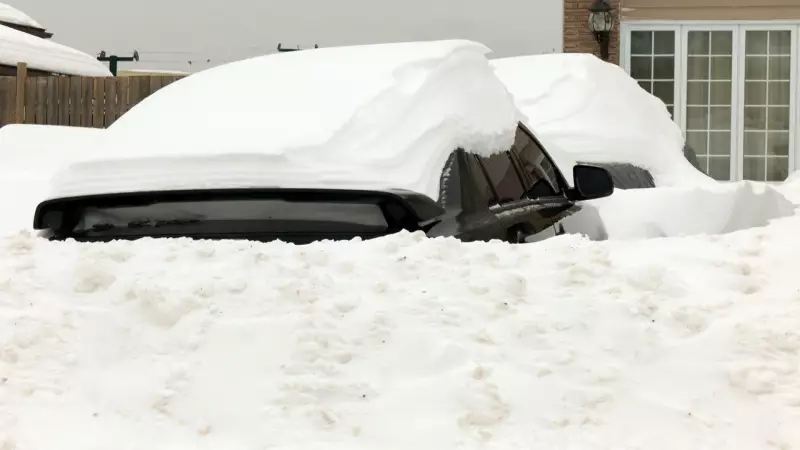
In the storm's immediate wake, the primary focus for both residents and city crews has been the arduous task of digging out. The cleanup is described as monumental, with snowdrifts reaching significant heights and burying vehicles and properties. The situation was severe enough to trigger official emergency alerts in other parts of Ontario, highlighting the storm's widespread impact. While the snow has stopped, the consequences linger, disrupting routines and posing ongoing safety risks.

Ongoing Warnings and Regional Impact
Authorities continue to urge extreme caution. Travel warnings remain in effect for northern Ontario as crews work to clear and reopen vital transportation corridors. The storm is part of a larger pattern of severe winter weather hammering parts of Ontario and Quebec. Environment Canada had issued a snow squall watch for areas like Toronto, while the Barrie region faced an emergency alert, indicating the volatile and dangerous conditions extending beyond the north.
As the calendar turns to the new year, the people of Timmins are demonstrating resilience, slowly reclaiming their city from one of the most significant snowfalls in recent memory. The event serves as a stark reminder of the formidable power of Canadian winters and the community effort required to overcome them.