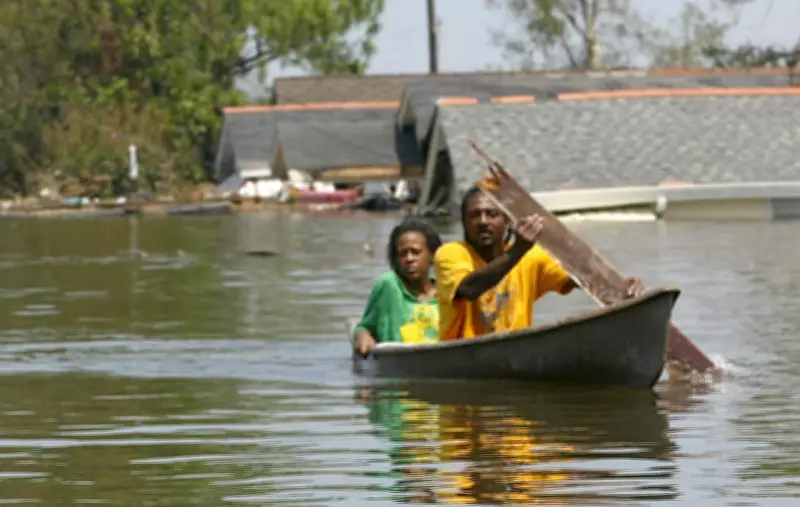
New Orleans is sinking, and a new study says the city may soon be surrounded by the ocean. Researchers from Yale University and other institutions have published a study in the journal Nature Sustainability warning that Louisiana's largest city has reached a "point of no return" due to climate change and rising sea levels. The study urges residents to begin relocating now to avoid a chaotic and costly crisis.
City at Risk
New Orleans sits in a basin mostly below sea level, making it extremely vulnerable to rising waters. The city is protected by coastal wetlands that buffer against storms and hurricanes, but these wetlands are disappearing due to human activities such as drainage for development and canal construction for the oil and gas industry. According to the U.S. Coastal Protection and Restoration Authority, Louisiana has lost nearly 2,000 square miles of land since the 1930s. Without action, another 3,000 square miles could vanish over the next 50 years, leading to an average of $15.2 billion annually in flood damages.
"Given the importance of so many of south Louisiana’s assets — our waterways, natural resources, unique culture, and wetlands — the effects of this additional land loss and the increased risk of flooding would be catastrophic. We must take bold action now before it’s too late," the authority stated.

Population Decline Already Underway
According to Brianna Castro, a co-author of the study and a professor of urban sustainability at Yale, residents are already leaving. Since Hurricane Katrina devastated the city in 2005, killing nearly 1,400 people, New Orleans has lost about 25% of its population. Every major storm since then has triggered a spike in departures. While billions have been spent to improve levees, floodgates, and pumps after Katrina, the study argues that these measures will likely be insufficient to save the city in the coming decades.
Social and Economic Consequences
The study also highlights the potential social impact, particularly for the city's poor. A chaotic relocation would erode the tax base, leading to worsening social services and rising insurance premiums, if insurers continue to cover potential flood losses. "If the writing is on the wall that we need to go eventually, do we want to wait until people’s resources are exhausted and there’s a crisis?" Castro asked. The researchers call for a managed retreat to avoid a disorderly and inequitable exodus.